
Episodes
838
Oct. 21, 2026
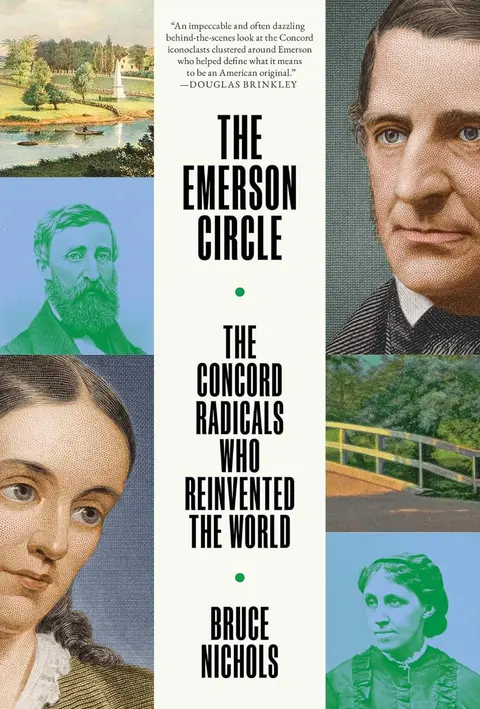
838 The Emerson Circle (with Bruce Nichols) | Life Hack! Could This Simple Trick Help You Read More?
What did Ralph Waldo Emerson, Henry David Thoreau, Louisa May Alcott, Bronson Alcott, Margaret Fuller, the Peabody sisters, and Nathaniel Hawthorne have in common? In addition to being literary luminaries who've been famous for nearly two hundred years, they all lived in Concord, Massachusetts, a little town roughly 20 miles northwest of Boston. How did a town of just over two thousand people come to host so many celebrated American writers? And how did their ideas end up changing the world? In ...
837
Oct. 18, 2026
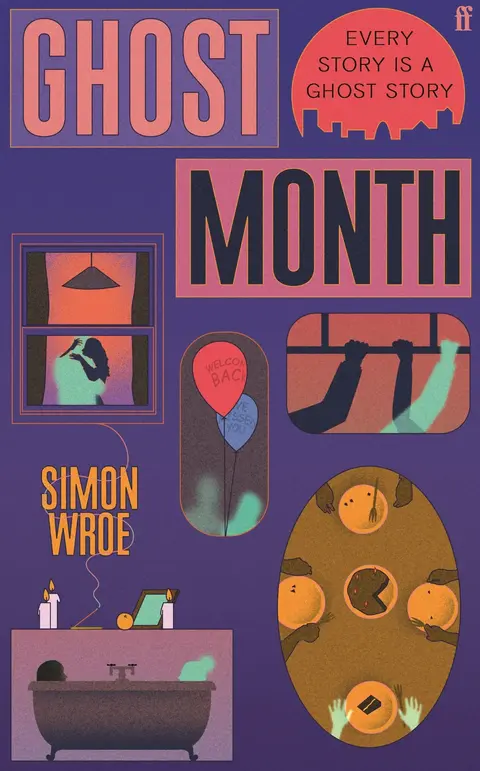
837 Ghost Month (with Simon Wroe) | Madness and Murder - The Story of Charles and Mary Lamb
Jacke gets ready for the Halloween season with an episode filled with madness, murder, and ghosts! First, he recounts the story of Romantic period writers Charles and Mary Lamb. Although the brother-sister duo later became famous for their summaries of Shakespeare's tales, they each spent time in madhouses due to fits of "lunacy," one of which resulted in Mary killing their mother with a kitchen knife. Then Jacke talks to author Simon Wroe about his new novel Ghost Month, in which the spirits of...
836
Oct. 11, 2026
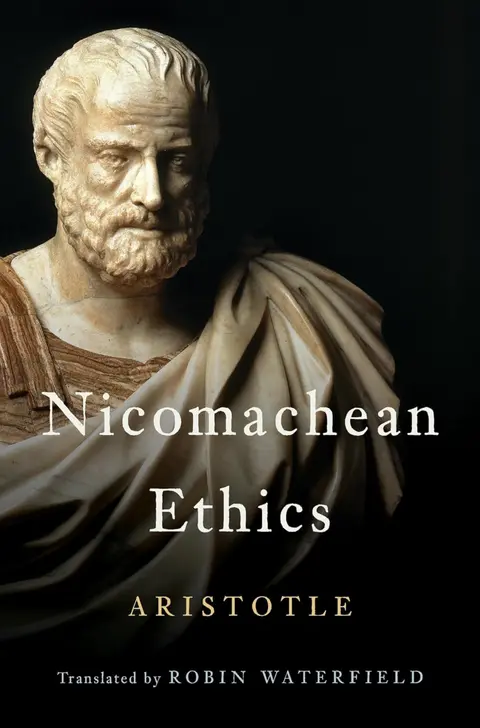
836 Aristotle's Nicomachean Ethics (with Robin Waterfield and John Sellars) | My Last Book with Daniel Olivas
What does it mean to live a good life? How can we accomplish it? For more than two thousand years, Western civilization has looked to Aristotle's Nicomachean Ethics to help answer those questions. In this episode, Jacke talks to translator Robin Waterfield and scholar John Sellars about their new edition of Aristotle's classic text. PLUS Daniel Olivas (Chicano Frankenstein, Waiting for Godínez) stops by to discuss his choice for the last book he will ever read. On Sale Now! For more informati...
835
Oct. 7, 2026
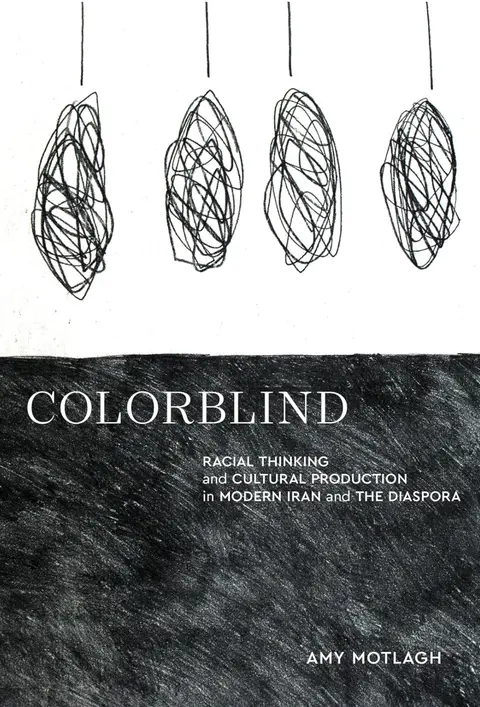
835 Blackness in Iran (with Amy Motlagh) | My Last Book with Nicholas Boggs
What do Iranians - both home and abroad - think of race? Does "blackness" exist in Iran? And what can we learn about race and slavery in Iran from folklore, ethnography, literature, and films? In this episode, Jacke talks to author Amy Motlagh about her book Colorblind: Racial Thinking and Cultural Production in Modern Iran and the Diaspora. PLUS James Baldwin biographer Nicholas Boggs (Baldwin: A Love Story) stops by to discuss his choice for the last book he will ever read. On Sale Now! For...
834
Oct. 4, 2026
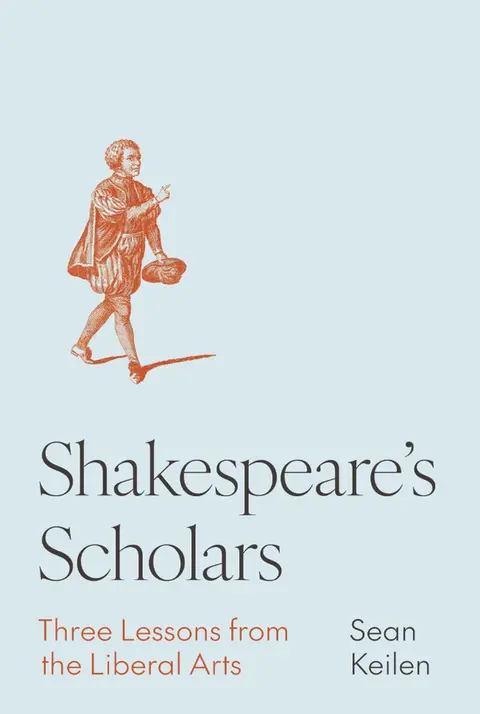
834 Shakespeare's Scholars (with Sean Keilen) | My Last Book with Nan Z. Da
Shakespeare himself didn't attend a university - and yet, for centuries, the world's greatest scholars have studied his works to learn about everything from poetry to politics. But have they missed the lessons that Shakespeare had for them in particular? In this episode, Jacke talks to author Sean Keilen about his book Shakespeare's Scholars: Three Lessons from the Liberal Arts, which examines three plays with scholars as protagonists to see what advice the Bard might have for modern-day academi...
800
Sept. 27, 2026
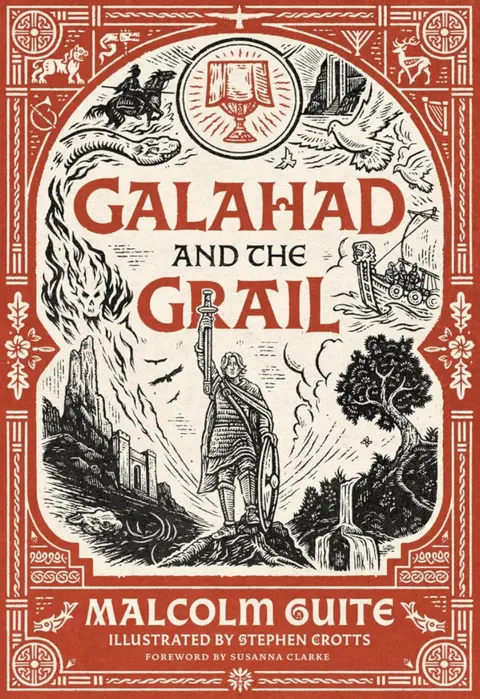
833 Galahad and the Grail (with Malcolm Guite)
Everywhere we look, we see the benefits of the modern world. But what have we lost? In this episode, Jacke talks to Malcolm Guite about his new book Galahad and the Grail, the first of a four-volume Arthuriad, which poetically retells the Arthurian legend of Galahad's quest to find the Holy Grail. On Sale Now! For more information and to order Great Detective! An Adventure for Two People [2-Book Boxed Set] by Jacke Wilson, visit press.historyofliterature.com. SPECIAL O...
![832 Stendhal [Revisited]](https://img.podpage.com/Hk7fTYmKMEw9AjGcTCJnAofoGFekJOK-dQOJt_s1z0Q/rs:fit:480:0:1/q:75/aHR0cHM6Ly9tZWRpYS5wb2RwYWdlLmNvbS9zaG93cGFnZS91cGxvYWRzL2ltYWdlcy8wZWYzOTcwNy02ZTA0LTQwNzEtOWJjMi03NzYyNDFlOWNhOTMucG5n.webp "832 Stendhal [Revisited]")
771
Sept. 23, 2026
832 Stendhal [Revisited]
As we recently discussed with Hadley Suter, nineteenth-century French novelist Stendhal (1783-1842) came of age in an era when identity was up for grabs. So who was he? How did he view himself? What did he write, and why do we care so much about him now? In this episode, which originally ran in July of 2000, Jacke takes a look at the life and works of Stendhal, whose innovative novels The Red and the Black and The Charterhouse of Parma made him one of the greatest and most influential novelists ...
831
Sept. 20, 2026
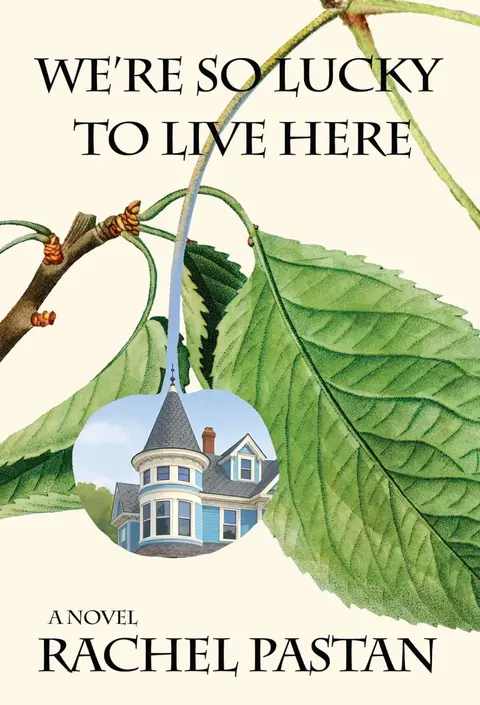
831 Chekhov's "The Cherry Orchard" (with Rachel Pastan) | My Last Book with David Denby
When times are tough, can literature help? After sharing an email from a listener, Jacke talks to author Rachel Pastan about her novel We're So Lucky to Live Here, in which a woman copes with a tragic loss by staging a production of Chekhov's The Cherry Orchard in her childhood home. PLUS David Denby (Eminent Jews: Bernstein, Brooks, Friedan, Mailer) stops by to discuss his choice for the last book he will ever read. On Sale Now! For more information and to order Great Detective! An Adv...
830
Sept. 13, 2026
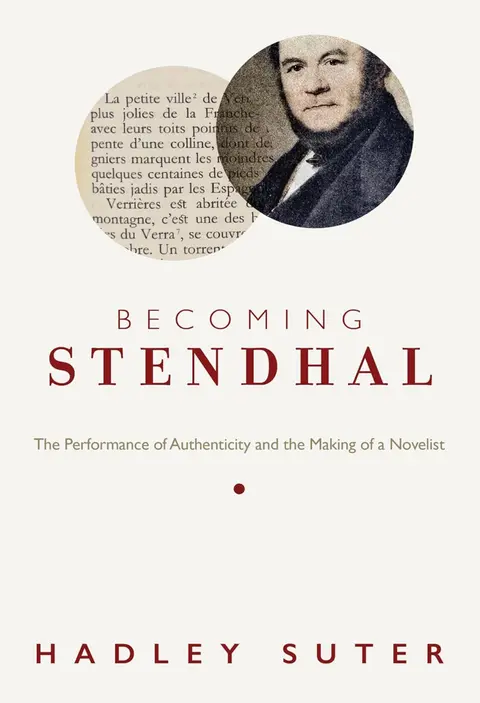
830 Becoming Stendhal (with Hadley Suter) | A Literary Tribute to Dolly Parton
We often say it's important for a person to be "authentic," but what does that mean? Why is that necessarily a good thing? In this episode, Jacke talks to author Hadley Suter (Becoming Stendhal: The Performance of Authenticity and the Making of a Novelist) about the French novelist Stendhal (1783-1842) and his classic realist novels The Charterhouse of Parma and The Red and the Black. Writing in the aftermath of the French Revolution, when individuals suddenly found themselves with the opportuni...

829
Sept. 9, 2026
829 Charlotte Brontë and Her Biographer Elizabeth Gaskell (with Susan Dunne) | My Last Book with Travis Franks | The Odyssey Kerfuffle
Charlotte Brontë and Elizabeth Gaskell, two of the leading novelists of the 19th century, shared a remarkable literary friendship. After Charlotte's death, Gaskell's Life of Charlotte Brontë became one of the most famous--and controversial--literary biographies ever written. In this episode, Jacke talks to Susan Dunne about her new book Charlotte Brontë and Elizabeth Gaskell: Their Lives, Friendship and Writings, which tells the deeper story of the friendship between the two women. PLUS Jacke lo...
828
Sept. 6, 2026
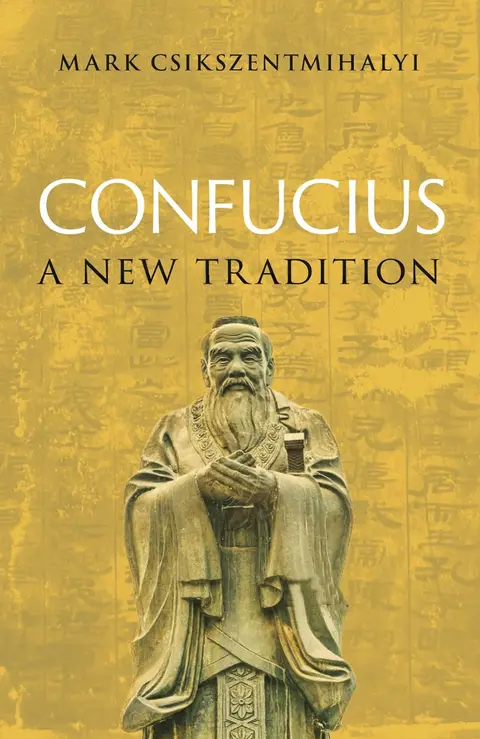
828 Confucius (with Mark Csikszentmihalyi) | Celia Bookshop! (with Rachel Pastan) | Jacke in Taiwan
What do we know about the Chinese philosopher and teacher Confucius? Although people have written biographies of Confucius for over 2,000 years, a recent discovery of a Chinese tomb containing the oldest written account of his life gives us a chance to look at Confucius afresh. In this episode, after some reflections on his experiences as a young teacher in Taiwan, Jacke talks to Confucian scholar Mark Csikszentmihalyi about his book Confucius: A New Tradition. PLUS a conversation with Rachel Pa...
827
Aug. 30, 2026
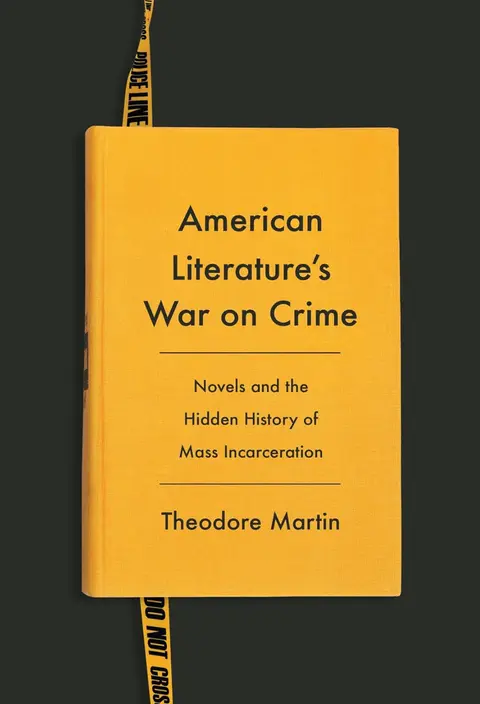
827 American Literature's War on Crime (with Theodore Martin) | W.E.B. DuBois Sits with Shakespeare
The second half of the twentieth century was marked by an extreme increase in America's prison population, from roughly 250,000 inmates in 1940 to well over two million by 2008. At the same time, American readers were devouring mysteries, thrillers, detective novels, police procedurals, and other forms of crime fiction. In this episode, Jacke talks to Theodore Martin about his book, American Literature's War on Crime: Novels and the Hidden History of Mass Incarceration, which explores the connec...
826
Aug. 26, 2026
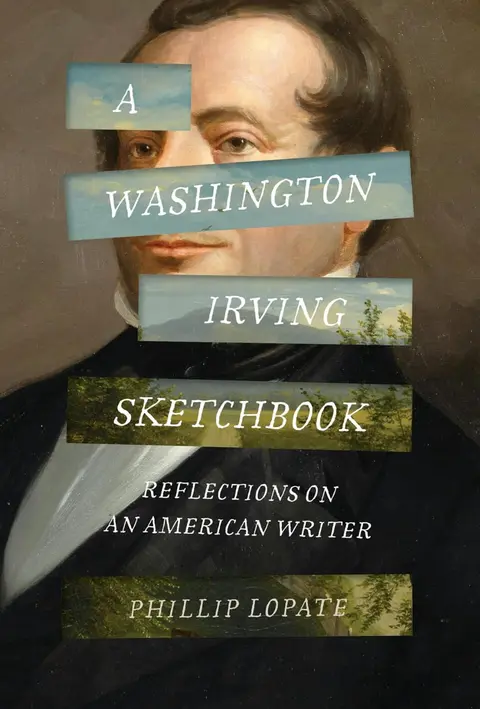
826 The Essayist's Essayist - Phillip Lopate on the Pleasures of Reading Washington Irving and Other "Minor Writers" | Notes from the History of Literature Podcast Tour!
At the time of Washington Irving's death, he was the most famous and widely praised American writer of his or any other era. But his reputation soon dwindled, and today he's known primarily as the author of just two stories ("The Legend of Sleepy Hollow" and "Rip Van Winkle"), while his groundbreaking works of history, biography, and essays are barely known. In this episode, Jacke talks to essayist Phillip Lopate about his book A Washington Irving Sketch Book: Reflections on an American Writer, ...
825
Aug. 23, 2026
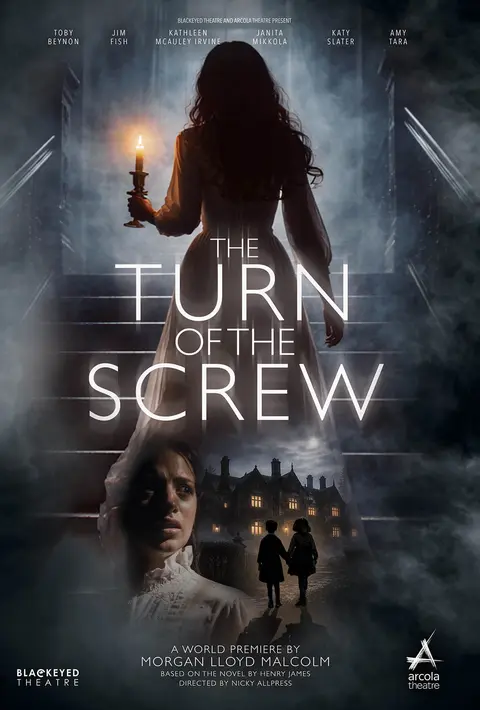
825 Henry James's Ghosts (with Morgan Lloyd Malcolm) | My Last Book with David Womersley
In 1895, Henry James suffered through a terrible failure, as his play Guy Domville was greeted by hoots, jeers, and tomatoes being thrown at the play's author. James responded by starting work on his masterpiece The Turn of the Screw, which tells the story of a governess and the demonic forces haunting her and the children in her care. In this episode, Jacke talks to playwright and screenwriter Morgan Lloyd Malcolm about her new adaptation of The Turn of the Screw, which has its world premiere a...
824
Aug. 16, 2026
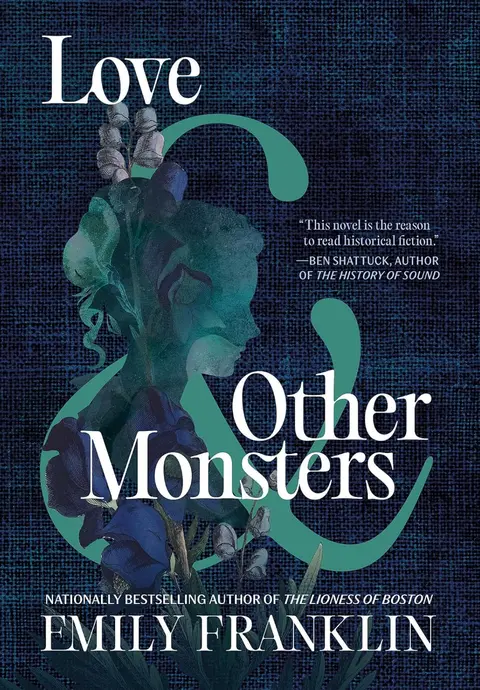
824 Why Did Mary Shelley Try to Erase Her? The Claire Clairmont Story (with Emily Franklin) | My Last Book with Mathelinda Nabugodi
It's an often-told, momentous story: how in the summer of 1816, four friends, including famed Romantic poets Percy Bysshe Shelley and Lord Byron, along with Mary Godwin (soon to be Mary Shelley) and Byron's doctor John Polidori, gathered in a Swiss villa and decided to tell each other ghost stories to pass the time. Mary Shelley began to write Frankenstein, and John Polidori wrote what would become the first modern vampire tale. It's hard to imagine a more spectacular outcome for four people--ex...
823
Aug. 12, 2026
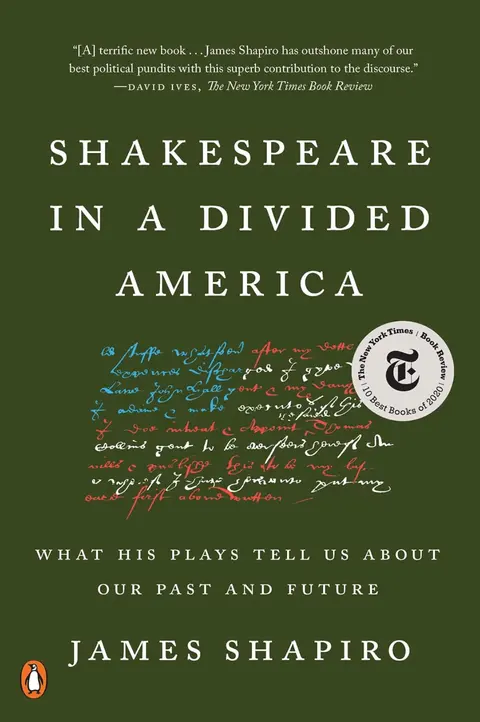
823 Abraham Lincoln, John Wilkes Booth, and Shakespeare in a Divided America (with James Shapiro)
United States President Abraham Lincoln and his assassin John Wilkes Booth were both deeply immersed in Shakespeare's works. And yet, the conclusions they reached about how best to end tyranny--a feature of both Macbeth and Julius Caesar--could not have been more different. As James Shapiro (Shakespeare in a Divided America) explained to Jacke in a conversation they had in 2023, reading Shakespeare from opposing vantage points is not unusual in American history. What does this mean for our under...
822
Aug. 9, 2026
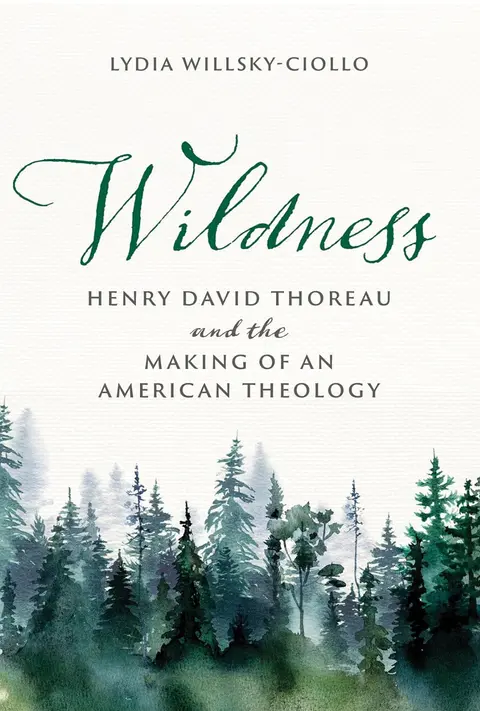
822 Wild Thoreau (with Lydia Willsky-Ciollo) | My Last Book with Douglas Clark
Henry David Thoreau was not a traditional Christian, and yet he was a deeply, profoundly religious man. In this episode, Jacke talks to Lydia Willsky-Ciollo about her book Wildness: Henry David Thoreau and the Making of an American Theology, which describes how Thoreau's experiences in nature helped him imagine and develop a distinctly American theology of the wild. PLUS Douglas Clark (The Will in English Renaissance Drama) stops by to discuss his choice for the last book he will ever read. O...
821
Aug. 2, 2026
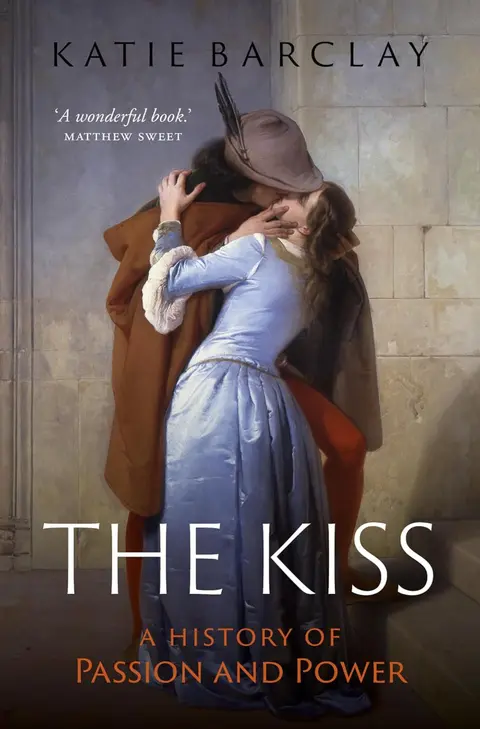
821 A History of the Kiss (with Katie Barclay) | Wonderland Books! (with Amy Joyce and Gayle Weiswasser)
The kiss! What could be more romantic? And yet, as historian Katie Barclay discovered when writing her book The Kiss: A History of Passion and Power, she found non-romantic kisses to be even more fascinating. In this episode, Jacke kicks things off with a look at some famous kisses from Shakespeare and Byron, some news about his Netflix algorithm and Christopher Nolan's Odyssey, the exciting new promotion of free domestic and international shipping being offered by the History of Literature Pres...
820
July 29, 2026
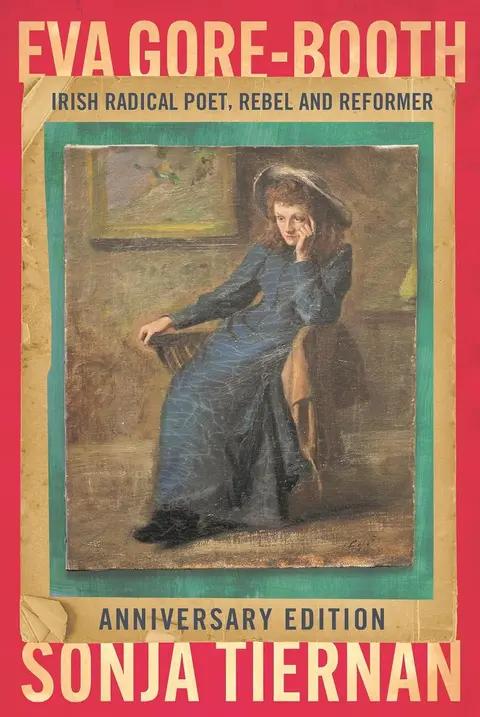
820 Irish Radical Poet Eva Gore-Booth (with Sonja Tiernan)
After reading an email from a listener in Ghana, Jacke talks to Sonja Tiernan about her book Eva Gore-Booth: Irish Radical Poet, Rebel, and Reformer, which tells the story of a young woman who cast aside her aristocratic origins to champion the causes of barmaids, circus performers, flower sellers, and pit-brow lasses. Living in Manchester with her partner, Esther Roper, Gore-Booth became an unsung hero of LGBTQ+ history, editing a radical journal and publishing nineteen volumes of poetry and pr...
819
July 26, 2026
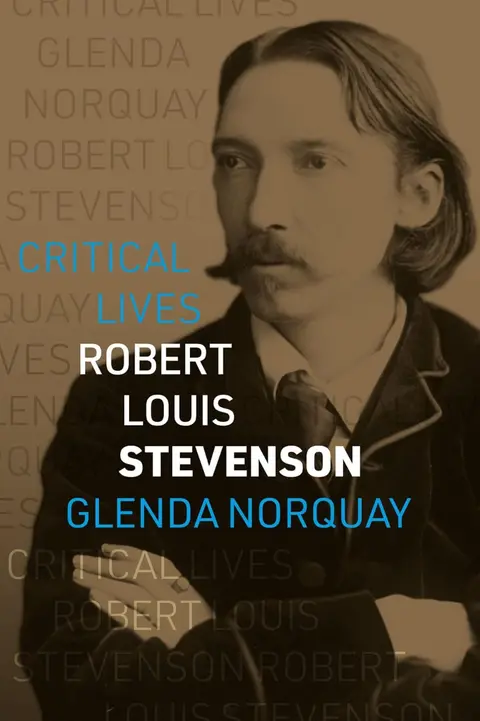
819 Robert Louis Stevenson (with Glenda Norquay) | The Rise of HOT Literati | My Last Book with Olivia Wolfgang-Smith
After discussing a news article detailing the rise of "hot literati," Jacke talks to biographer Glenda Norquay (Robert Louis Stevenson: A Critical Life) about the amazing life of Robert Louis Stevenson, the Scottish author of classic works like Kidnapped and Treasure Island. PLUS novelist Olivia Wolfgang-Smith (Mutual Interest) stops by to discuss her choice for the last book she will ever read. On Sale Now! For more information and to order Great Detective! An Adventure for Two People [2-...

818
July 19, 2026
818 Muriel Spark (with James Bailey) | My Last Book with J. Michael Lennon
Jacke talks to author James Bailey about his critically acclaimed biography Like a Cat Loves a Bird: The Nine Lives of Muriel Spark. PLUS J. Michael Lennon, friend and biographer of Norman Mailer ( Norman Mailer: A Double Life), stops by to discuss his choice for the last book he will ever read. On Sale Now! For more information and to order Great Detective! An Adventure for Two People [2-Book Boxed Set] by Jacke Wilson, visit press.historyofliterature.com. SPECIAL DISCOUNT! It's ...

817
July 15, 2026
817 The Odyssey - Getting Ready for a Summer Blockbuster | My Last Book with Mary Beard
Jacke gets ready for the release of Christopher Nolan's Odyssey, the rare instance of a summer blockbuster based on a literary classic, with some help from classics scholars Daniel Mendelsohn (The Odyssey, An Odyssey: A Father, A Son, and an Epic) and Mary Beard (Talking Classics: The Shock of the Old). On Sale Now! For more information and to order Great Detective! An Adventure for Two People [2-Book Boxed Set] by Jacke Wilson, visit press.historyofliterature.com. SPECIAL DISCOUNT! I...

790
July 12, 2026
816 Gulliver's Travels at 300 (with David Womersley) | My Last Book with Daniel Mendelsohn
As a literary classic turns 300, Jacke talks to the University of Oxford's David Womersley about Jonathan Swift, the nature of satire, and The Cambridge Anniversary Edition of Gulliver's Travels, which Womersley edited. PLUS Daniel Mendelsohn, classics scholar and translator ofThe Odyssey, stops by to discuss his choice for the last book he will ever read. On Sale Now! For more information and to order Great Detective! An Adventure for Two People [2-Book Boxed Set] by Jacke Wilson, visit p...

815
July 5, 2026
815 Paddy Chayefsky
Thanks in part to beloved films like Marty (1955) and Network (1976), Paddy Chayefsky is often regarded as the greatest writer of television's first Golden Age and the most acclaimed screenwriter in Hollywood history. But who was Chayefsky? What made his writing stand out? And how well do his works hold up in 2026? In this episode, as America turns 250, Jacke takes a look at the career and major works of Paddy Chayefsky, whose 1976 film Network is often praised for predicting the demise of telev...