Episodes
156
Aug. 15, 2018
156 The Sonnet
“A sonnet,” said the poet Dante Gabriel Rossetti, “is a moment’s monument.” But who invented the sonnet? Who brought it to prominence? How has it changed over the years? And why does this form continue to be so compelling? In this episode of the History of Literature, we take a brief look at one of literature's most enduring forms, from its invention in a Sicilian court to the wordless sonnet and other innovative uses. Professor Bill walked us through a sonnet by Robert Hayden in Episode 97 -...
155
Aug. 9, 2018
155 Plato
“The safest general characterization of the European philosophical tradition,” said Alfred North Whitehead, “is that it consists of a series of footnotes to Plato.” We’ve all heard the name of Plato and his famous mentor Socrates, and most of us have encountered the dialogues, a literary-philosophical form he essentially invented. We know the themes he advanced, his general views of metaphysics, and his interest in knowledge and its importance as a virtue. But what do we know about Plato the man...
154
Aug. 1, 2018
154 John Milton
John Milton (1608 - 1674) was a revolutionary, a republican, an iconoclast, a reformer, and a brilliant polemicist, who fearlessly took on both church and king. And he ranks among the greatest poets of all time, a peer of Shakespeare and Homer. Philip Pullman, the author who named his trilogy (His Dark Materials) after a Miltonic phrase, said, “No one, not even Shakespeare, surpasses him in his command of the sound, the music, the weight and taste and texture of English words.” In this episode o...
153
July 25, 2018
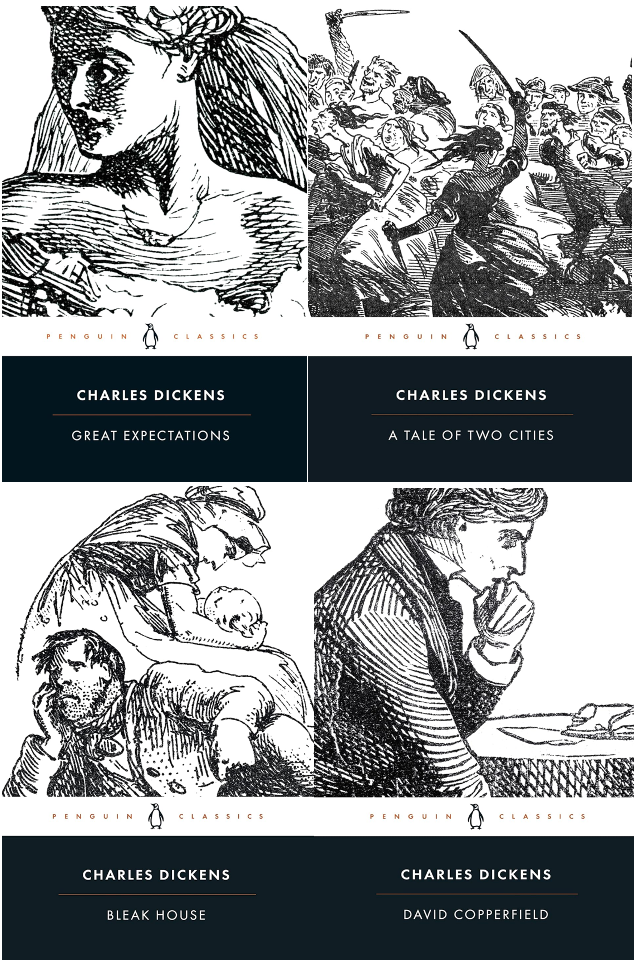
153 Charles Dickens
Charles John Huffam Dickens (1812-1870) was the greatest novelist of the Victorian age. In his 58 years he went from a hardscrabble childhood to a world-famous author, beloved and admired for his unforgettable characters, his powers of observation and empathy, and his championing of the lower classes. He wrote 15 novels, five novellas, hundreds of articles and short stories - and also found time to edit a weekly periodical for over 20 years. But that wasn't all: he also wrote thousands of pages ...
152
July 18, 2018
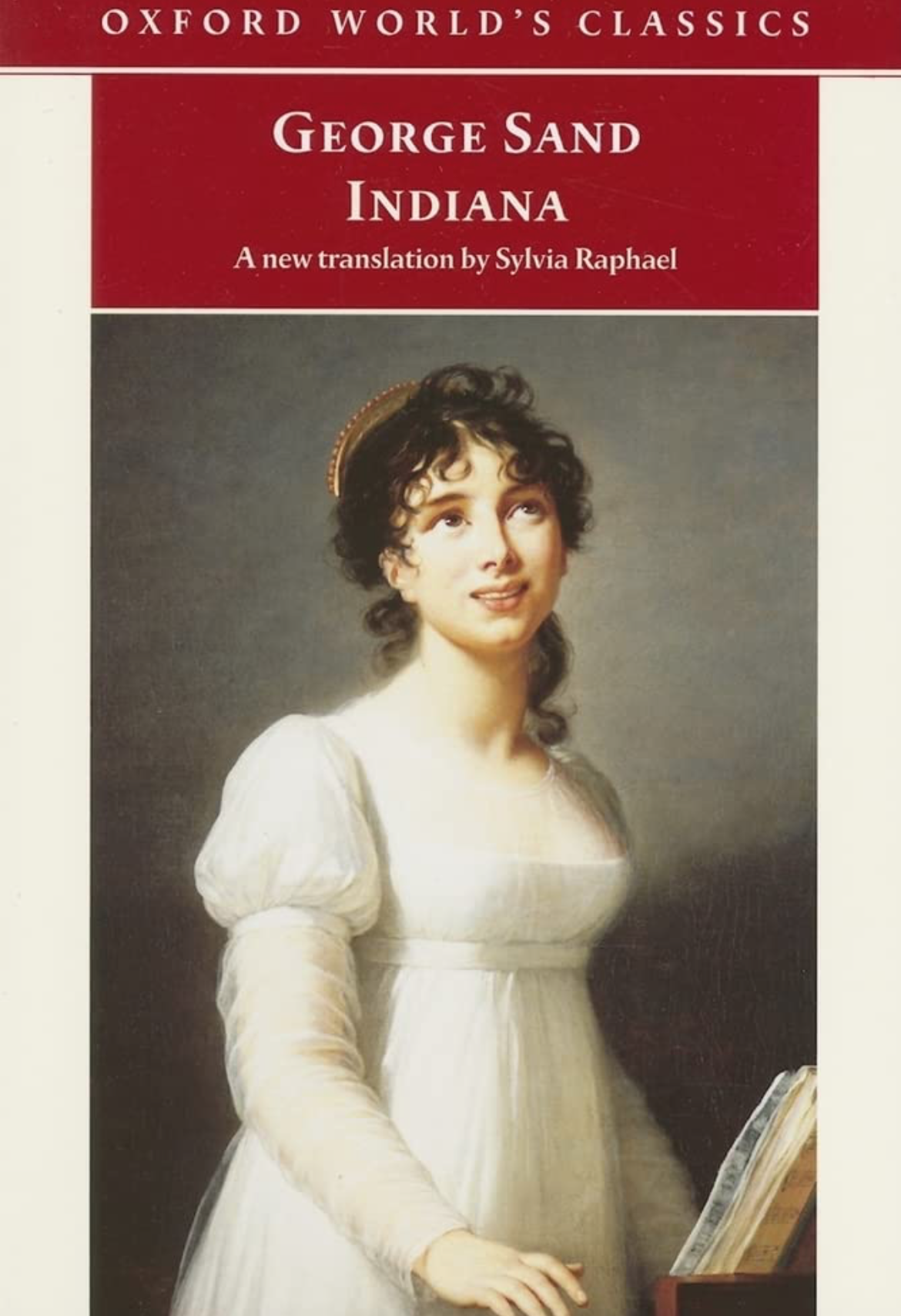
152 George Sand
George Sand wrote an astonishing number of novels and plays, and had friendships and affairs with an astonishing range of men and women. She dressed in men’s clothing, and she inspired a host of 19th century authors and artists, including Russian writers like Turgenev and Dostoevsky and British writers like Mary Ann Evans, who adopted the name George, as in George Eliot, out of tribute to her French predecessor. In this episode of the History of Literature, we travel to 19th Century France, for ...
151
July 11, 2018
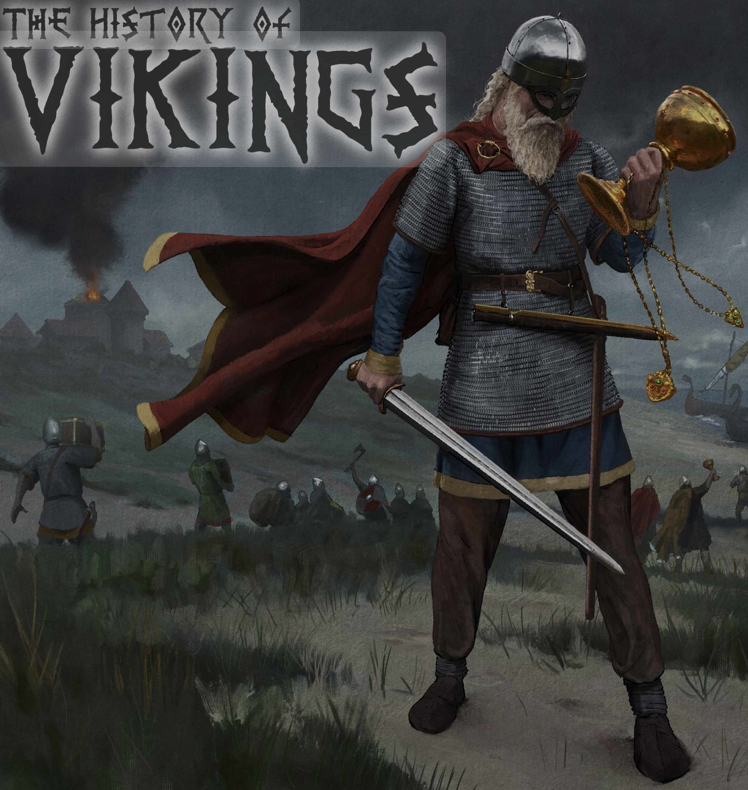
151 Viking Poetry - The Voluspa (with Noah Tetzner)
The Vikings! Sure, they had helmets and hammers, but did they also have... poetry? Indeed they did! In this episode, we talk to Noah Tetzner, host of The History of Vikings Podcast, about the collection of Old Norse verses called the Poetic Edda - and in particular, we look at the first of these, the succinct poem known as The Völuspá. Dated to around 1250 A.D., the Völuspá recorded centuries of oral tradition. Today, it serves as one of our best introductions to Viking mythology, affording us a...
150
July 4, 2018
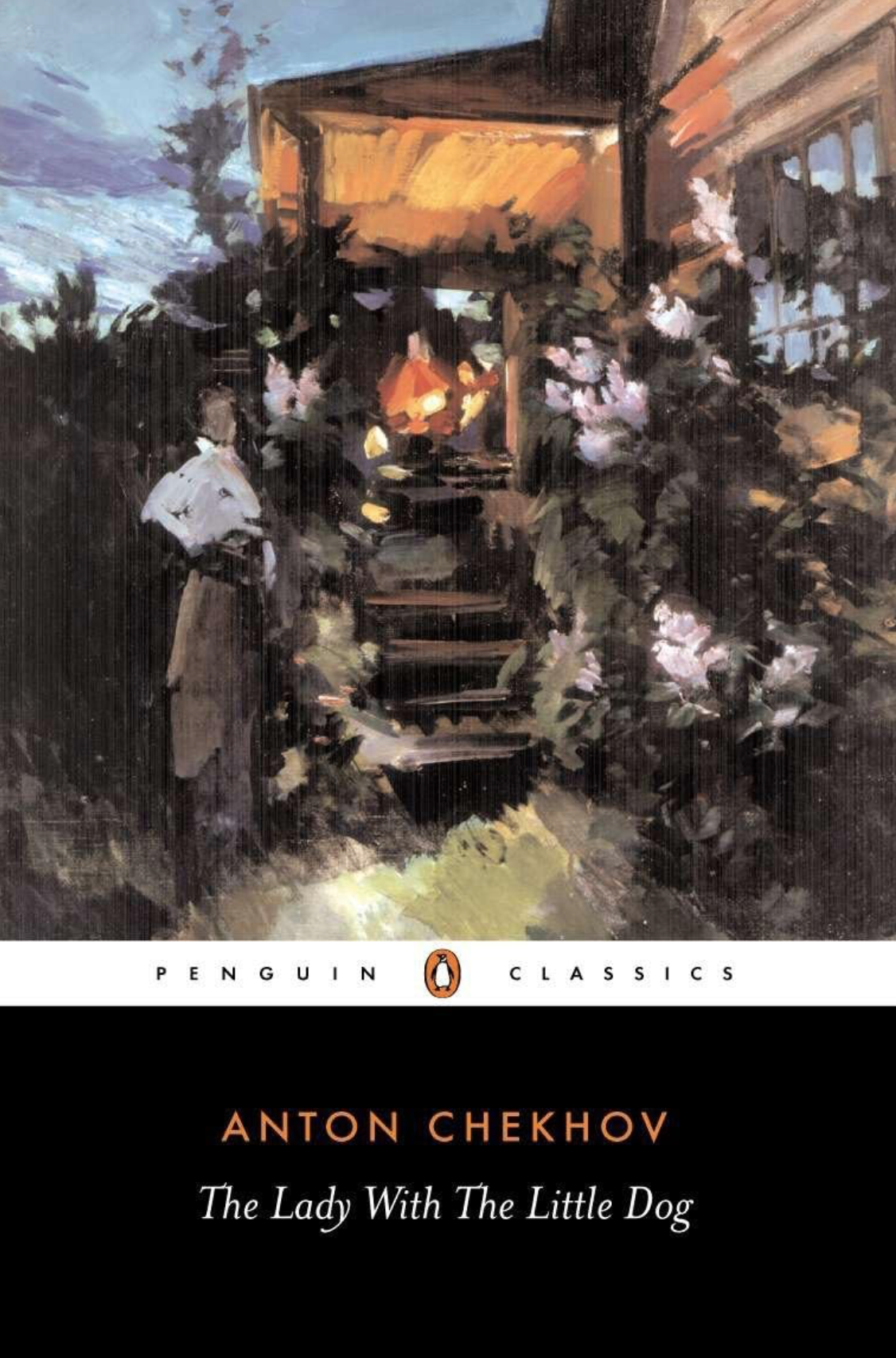
150 Chekhov's "The Lady with the Little Dog"
It's a deceptively simple story: a man and a woman meet, have an affair, are separated, and reunite. And yet, in writing about Anton Chekhov's story, "The Lady with the Little Dog" (1899), Vladimir Nabokov said, "All the traditional rules have been broken in this wonderful short story.... No problem, no regular climax, no point at the end. And it is one of the greatest stories ever written." What makes this story so good? How does it hold up today? In this episode, Jacke and Mike examine the ...
149
June 27, 2018
149 Raising Readers (aka The Power of Literature in an Imperfect World)
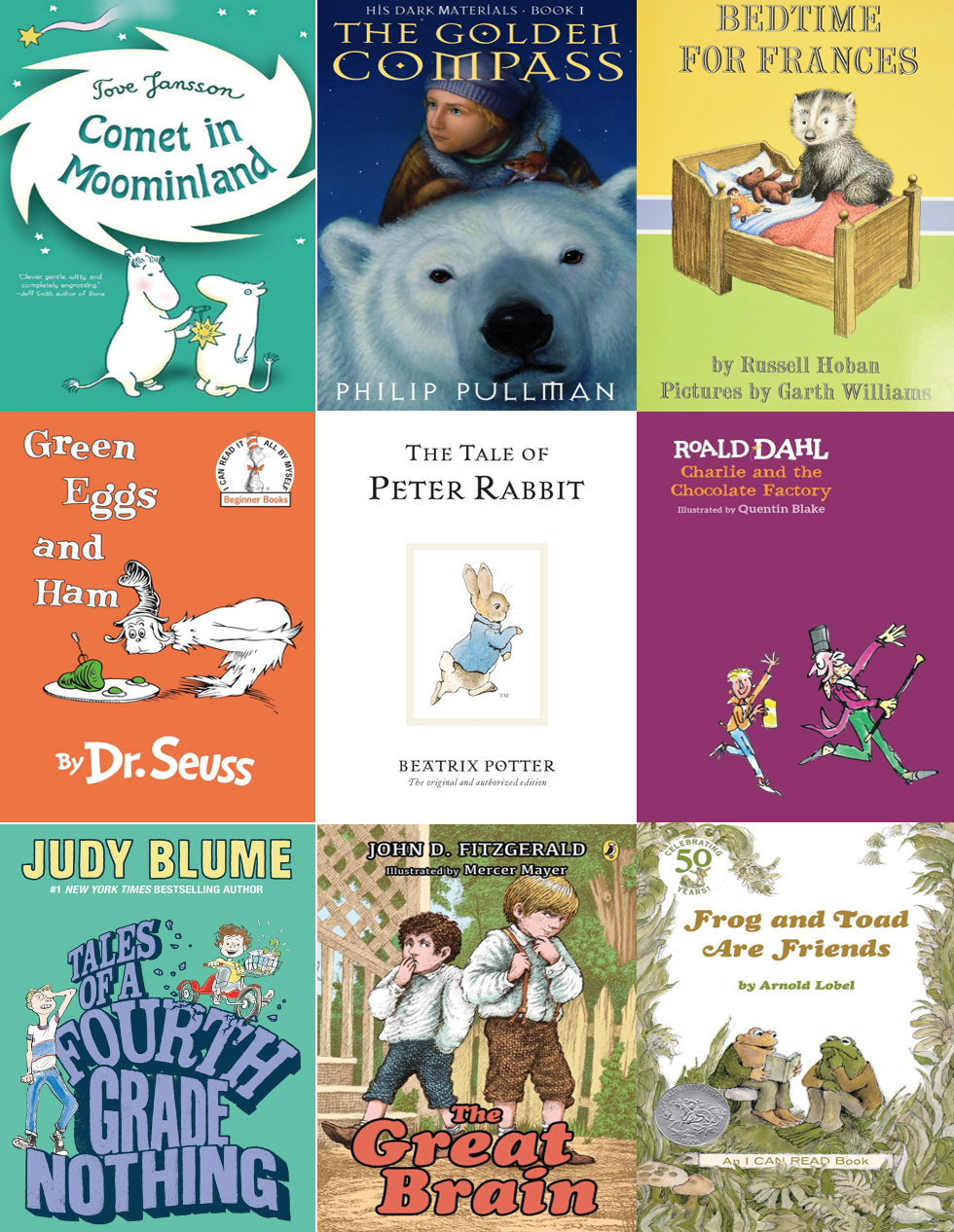
Jacke and Mike respond to an email from a listener who is about to become a father and wondering about the role of literature in the life of a young child. Works and authors discussed include J.K. Rowling, Phillip Pullman, Andrew Motion, Dr. Seuss, Sandra Boynton, The Great Brain series, Bedtime for Frances, Frog and Toad, Beatrix Potter, Martin Amis, James Mill, John Stuart Mill, The Beatles, Judy Blume, Roald Dahl, the Moomintroll books, Nick Hornby. Help support the show at patreon.com/...
148
June 20, 2018
148 Great Literary Hoaxes
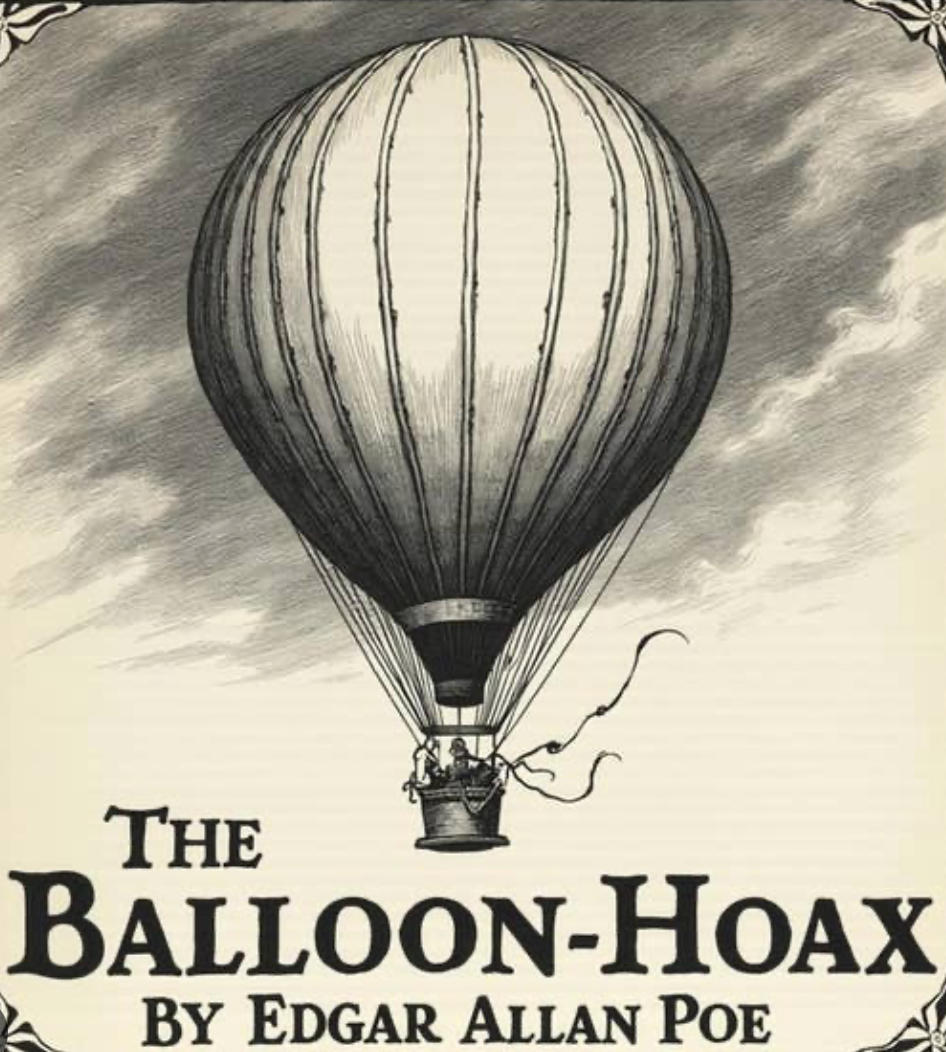
What can we count on? What do we know is true? In this episode, host Jacke Wilson takes a look at a motley crew of inventive liars who set out to fool the literary world - and often did, at least for a while. From the ancient pseudo-Sappho to the escapee from a debauched convent, from the treasure trove of Shakespeare's lost works to the balloon fraud of Edgar Allan Poe, writers have been generating bogus works for centuries - and an gullible public has gobbled them up and come back for more. ...
147
June 13, 2018
147 Leo Tolstoy
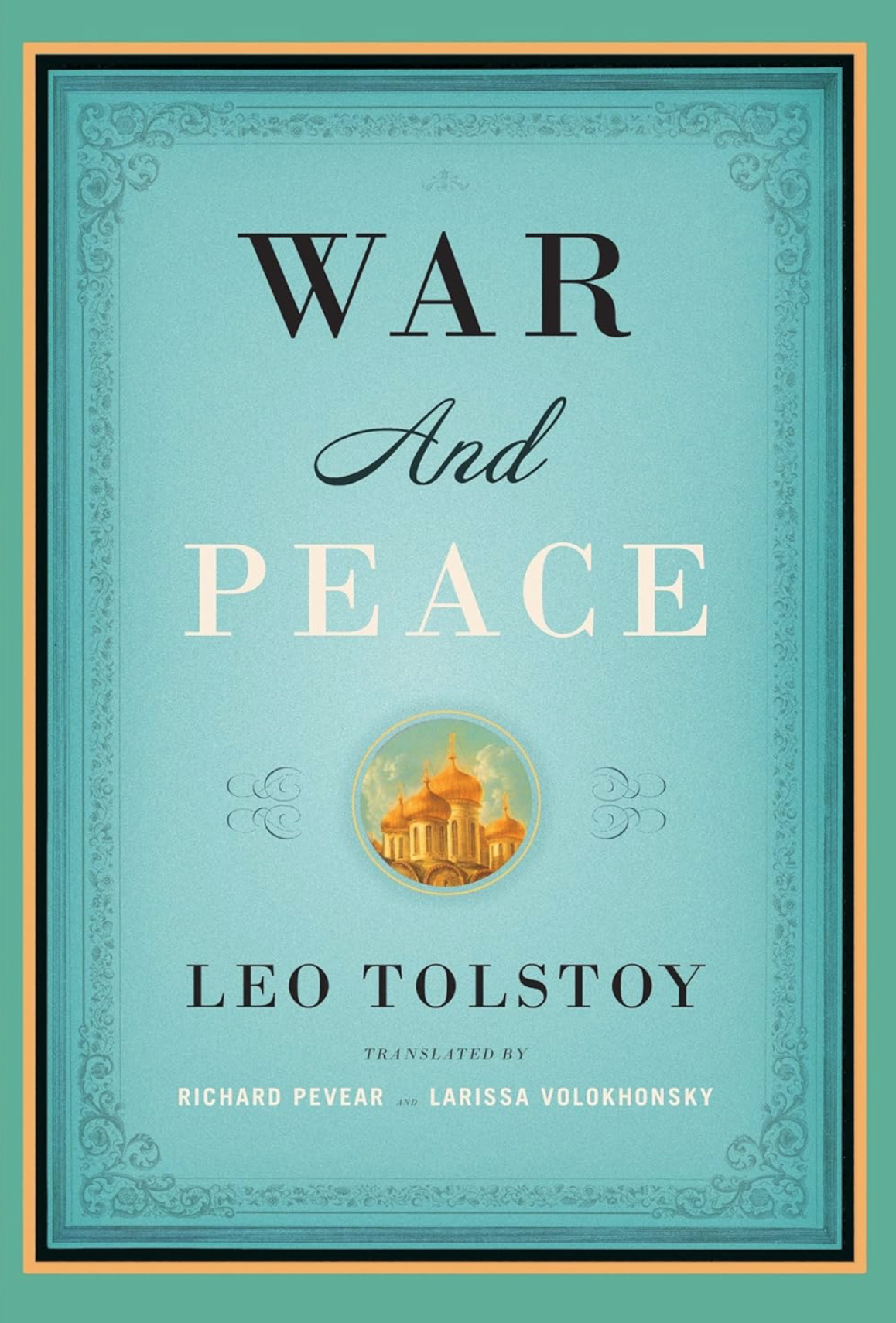
When asked to name the three greatest novels ever written, William Faulkner replied, “Anna Karenina, Anna Karenina, Anna Karenina.” Nabokov said, “When you are reading Turgenev, you know you are reading Turgenev. When you read Tolstoy, you are reading because you just cannot stop.” And finally, there's this compliment from author Isaac Babel: “If the world could write itself," he said, "it would write like Tolstoy.” But who was Leo Tolstoy? How did he become the person who could write War and...
146
June 7, 2018
146 Power Ranking the Nobel Prize for Literature
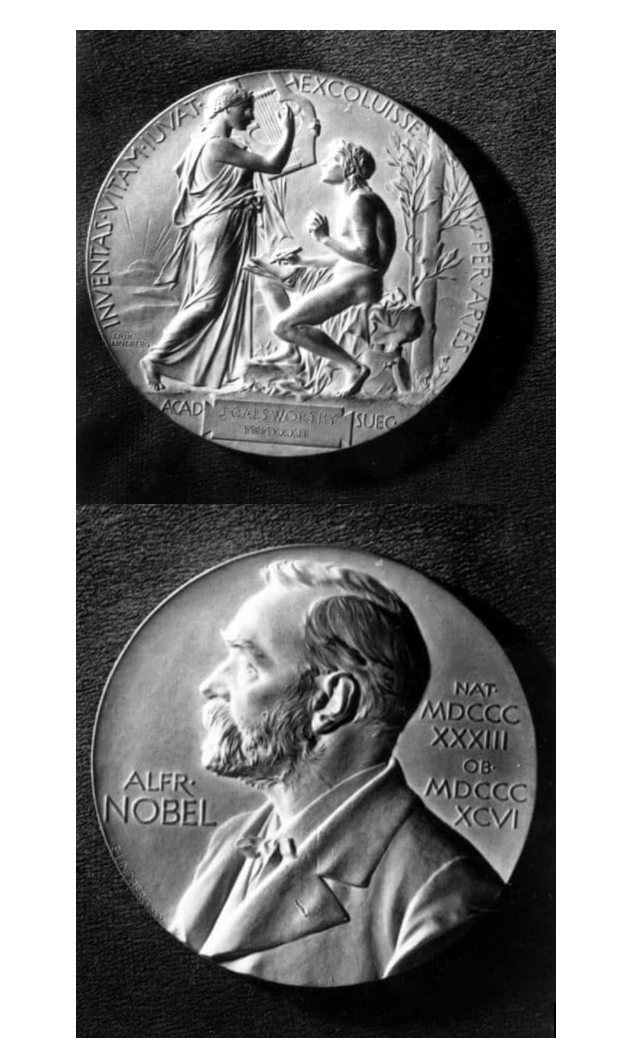
The Nobel Prize for Literature has a special place in the literary landscape. We revere the prize and its winners - and yet we often find ourselves puzzled by the choices. The list of fantastic writers who never won a Nobel Prize is as long and distinguished as the list of those who did. In this episode, Jacke and Mike take a look at the Nobel Prizes by decade, attempting to determine which decade had the best (and worst) group of authors. Do we select your favorites? Overlook some hidden gem...
145
May 31, 2018
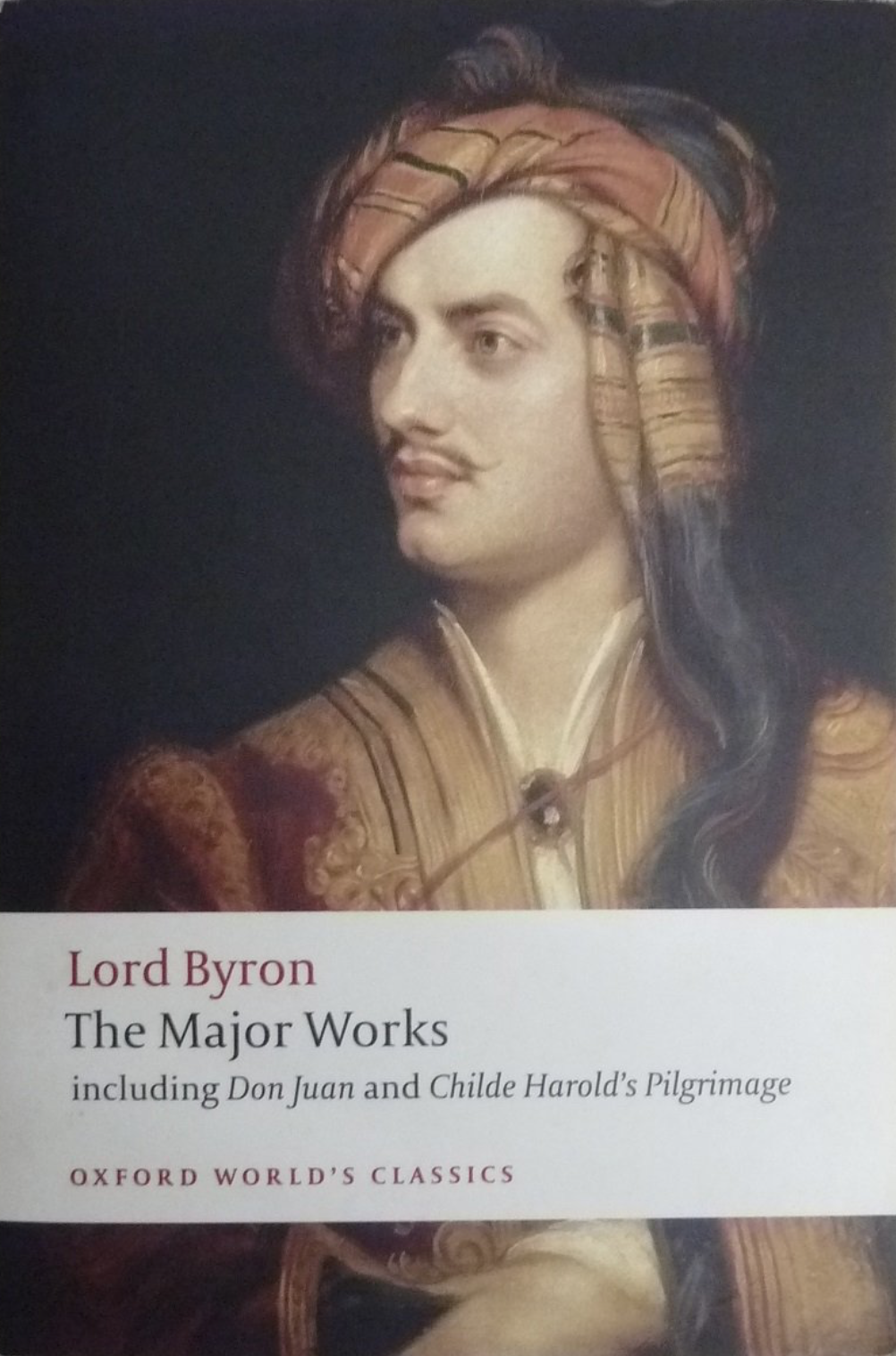
145 Mad, Bad, and Dangerous to Know - The Story of Lord Byron
The Later Romantic poet George Gordon Byron, once described by Lady Caroline Lamb as “mad, bad, and dangerous to know," lived 36 years and became world famous, his astonishing career as a poet matched only by his astonishing record as a breaker of norms, an insatiable lover, a bizarre hedonist, a restless exile, a head-scratching eccentric, a passionate friend, a determined athlete, an ardent revolutionary, and in general, one of the greatest embracers of life the world has ever seen. Works d...
144
May 21, 2018
144 Food in Literature (with Ronica Dhar)
Food, glorious food! We all know its power for nourishment, pleasure, and comfort -- and we’ve all felt the sharp pangs of its absence. How has this essential part of being alive made its way into novels, short stories, and poetry? Our guest Ronica Dhar, author of the novel Bijou Roy, joins us for a conversation about food in literature, as we select ten mouthwatering (and thought-provoking) examples. Bon appetit! Works and authors discussed include Kevin Young, Dr. Seuss, J.R.R. Tolkien, J.K...
143
May 14, 2018
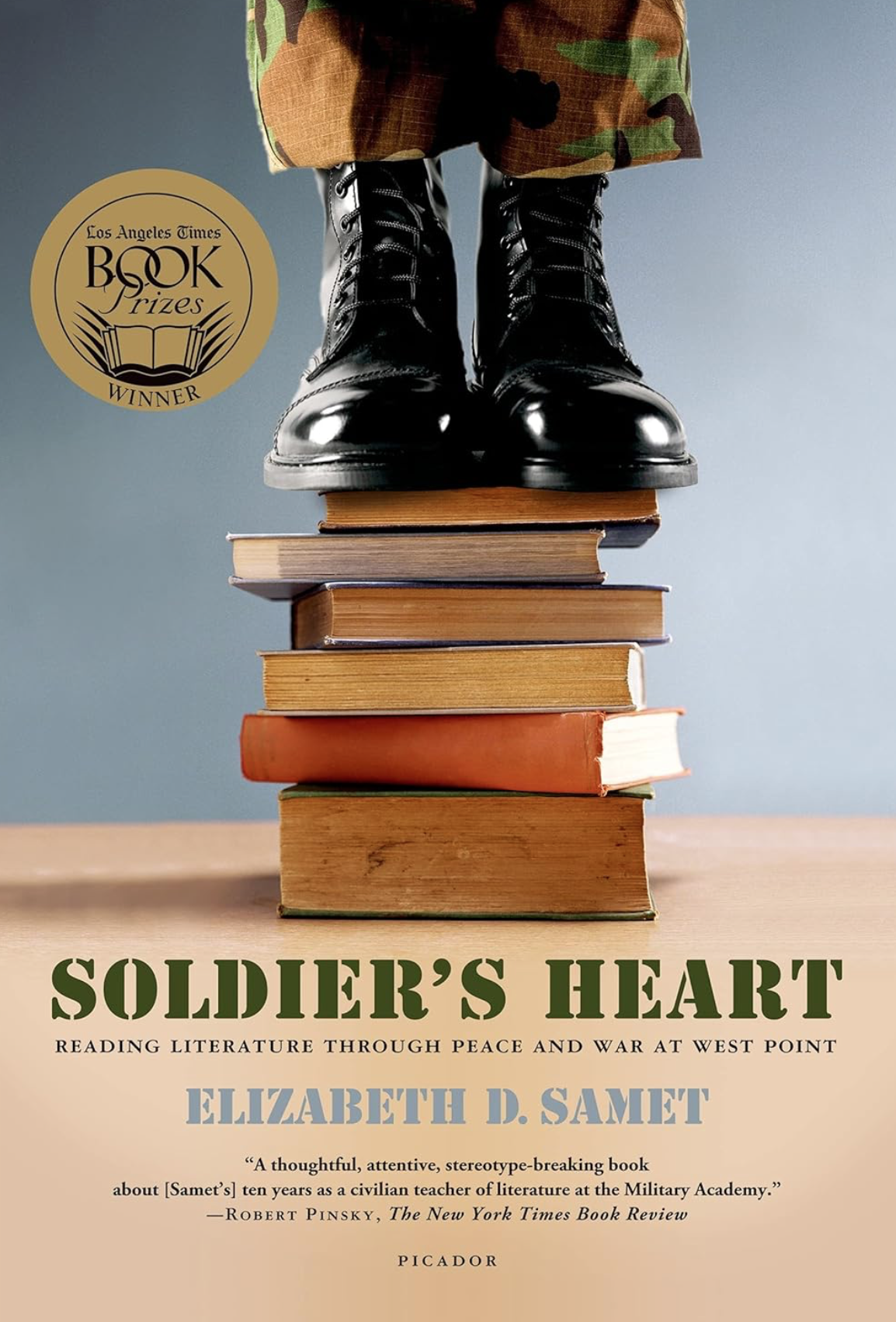
143 A Soldier's Heart - Teaching Literature at the U.S. Military Academy (with Professor Elizabeth Samet)
Since ancient times, societies have used rousing lines of poetry to inspire soldiers to acts of heroism, courage, and sacrifice. But what about literature that expresses doubts about war? Or fear? Or that conveys its brutal nature? Should those works be a part of the curriculum as well? And what about literature that, on its surface, has nothing to do with the battlefield? Where is the value in that for a soldier? One thing seems clear: how a society educates its soldiers tells us somethin...
142
May 7, 2018
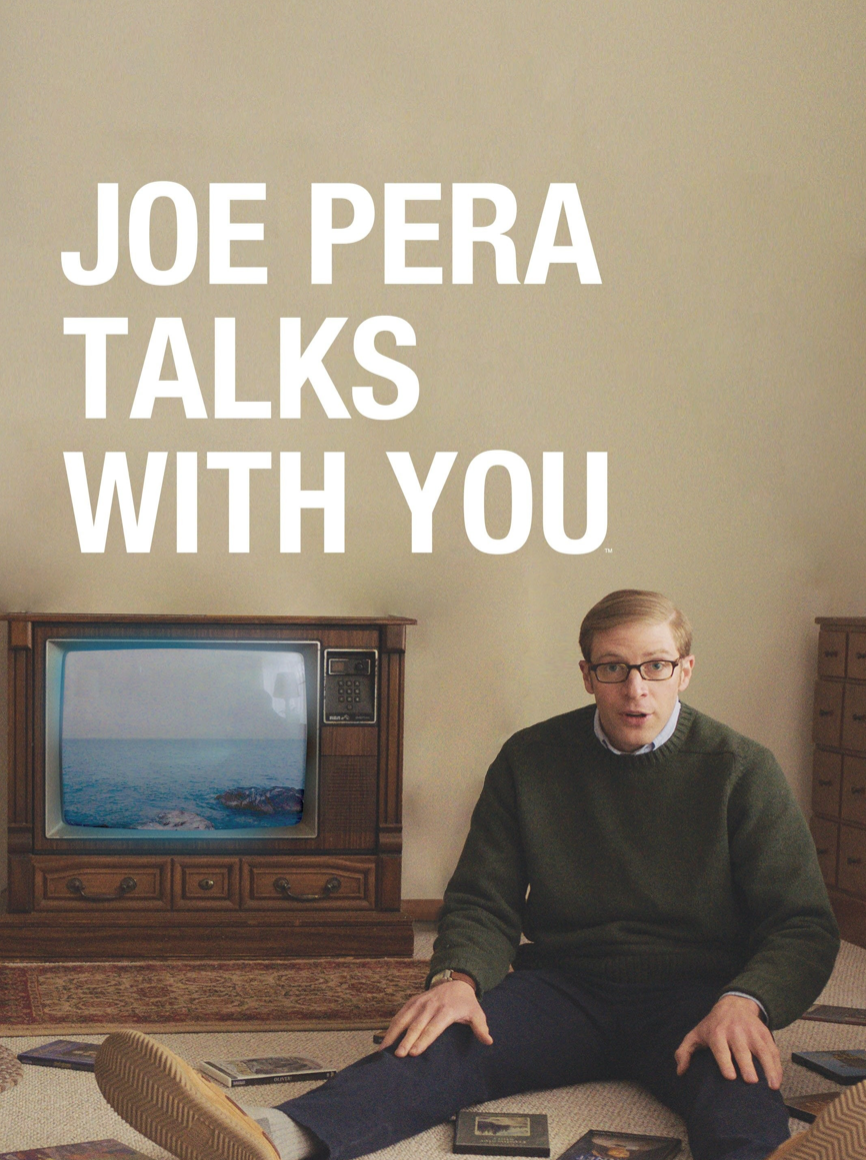
142 Comedian Joe Pera Talks with Us (with Joe Pera)
Comedian Joe Pera has been hailed as one of the top "Comedians Under 30," "20 of the Most Innovative Comedians Working Today," and the "Cozy Sweater of Comedy." His lovable, pleasantly awkward delivery style has made him a breakout star on the standup circuit and on late-night shows like Conan and Late Night with Seth Meyers. In this special episode of The History of Literature, Joe joins Jacke to discuss the comedians he grew up admiring, his first attempts at standup, and his new television...
141
April 30, 2018
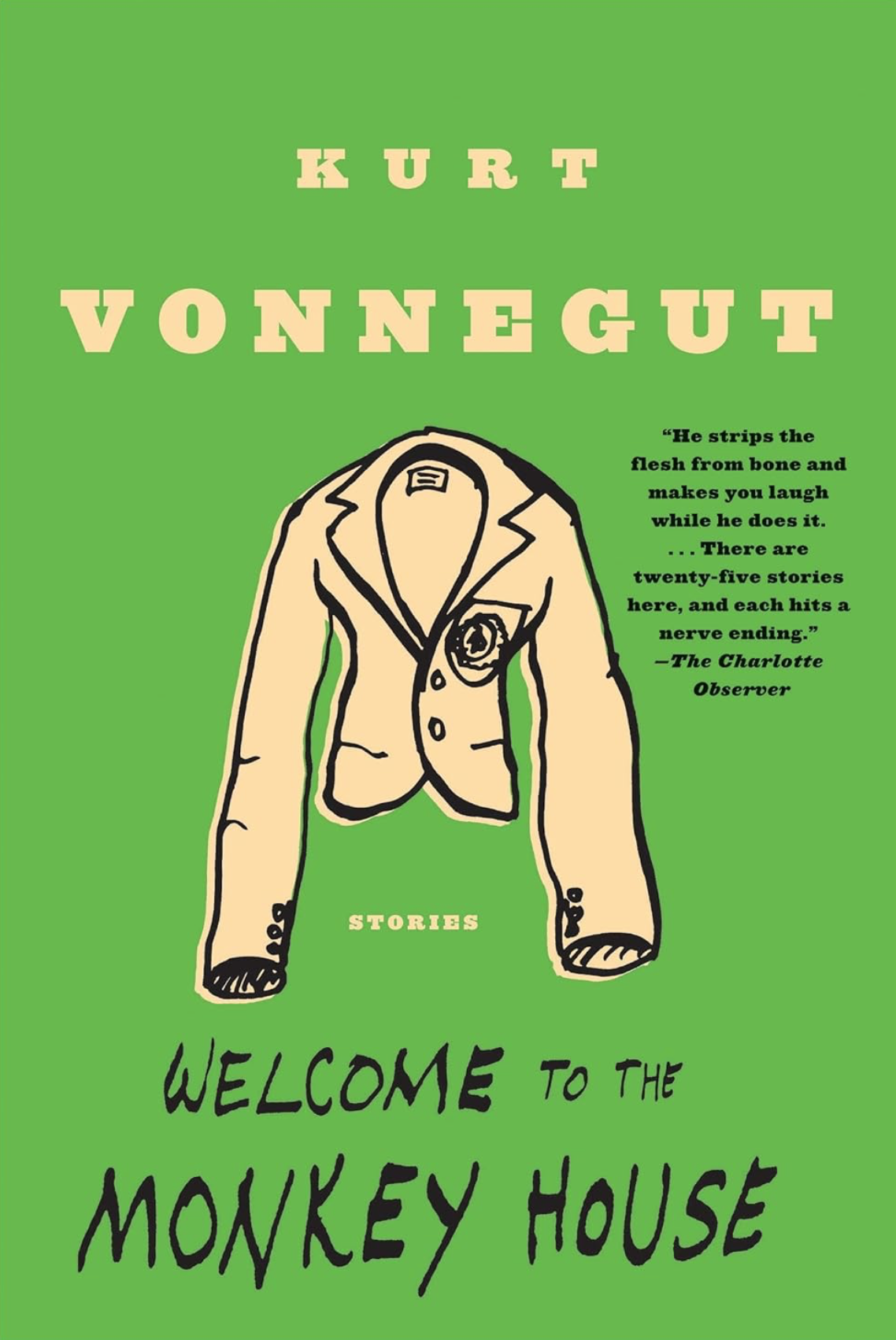
141 Kurt Vonnegut (with Mike Palindrome)
"The year was 2081," the story begins, "and everyone was finally equal." In this episode of the History of Literature, Jacke and Mike take a look at Kurt Vonnegut's classic short story, "Harrison Bergeron." In this 1961 story, Vonnegut imagines a world of the perfectly average, where no one is allowed to be too great - until a hero named Harrison Bergeron comes along. Along the way, we discuss Vonnegut's life and works, what we think the story means, and Mike's own attempt to limit himself in or...
140
April 23, 2018
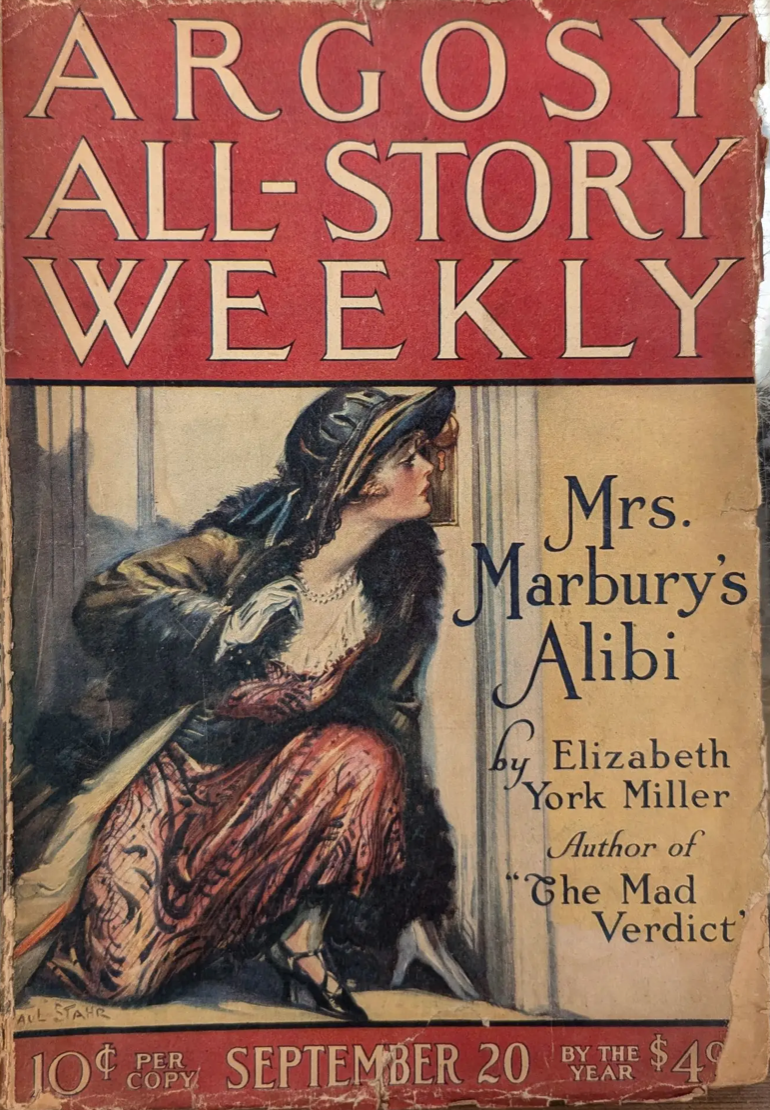
140 Pulp Fiction and the Hardboiled Crime Novel (with Charles Ardai)
In 1896, an enterprising man named Frank Munsey published the first copy of Argosy, a magazine that combined cheap printing, cheap paper, and cheap authors to bring affordable, high-entertainment fiction to working-class folks. Within six years, Argosy was selling a half a million copies a month, and the American fiction market would never be the same. In this special episode of The History of Literature, we’re joined by Charles Ardai, a man who helped to resurrect one of twentieth-century pulp ...
139
April 16, 2018
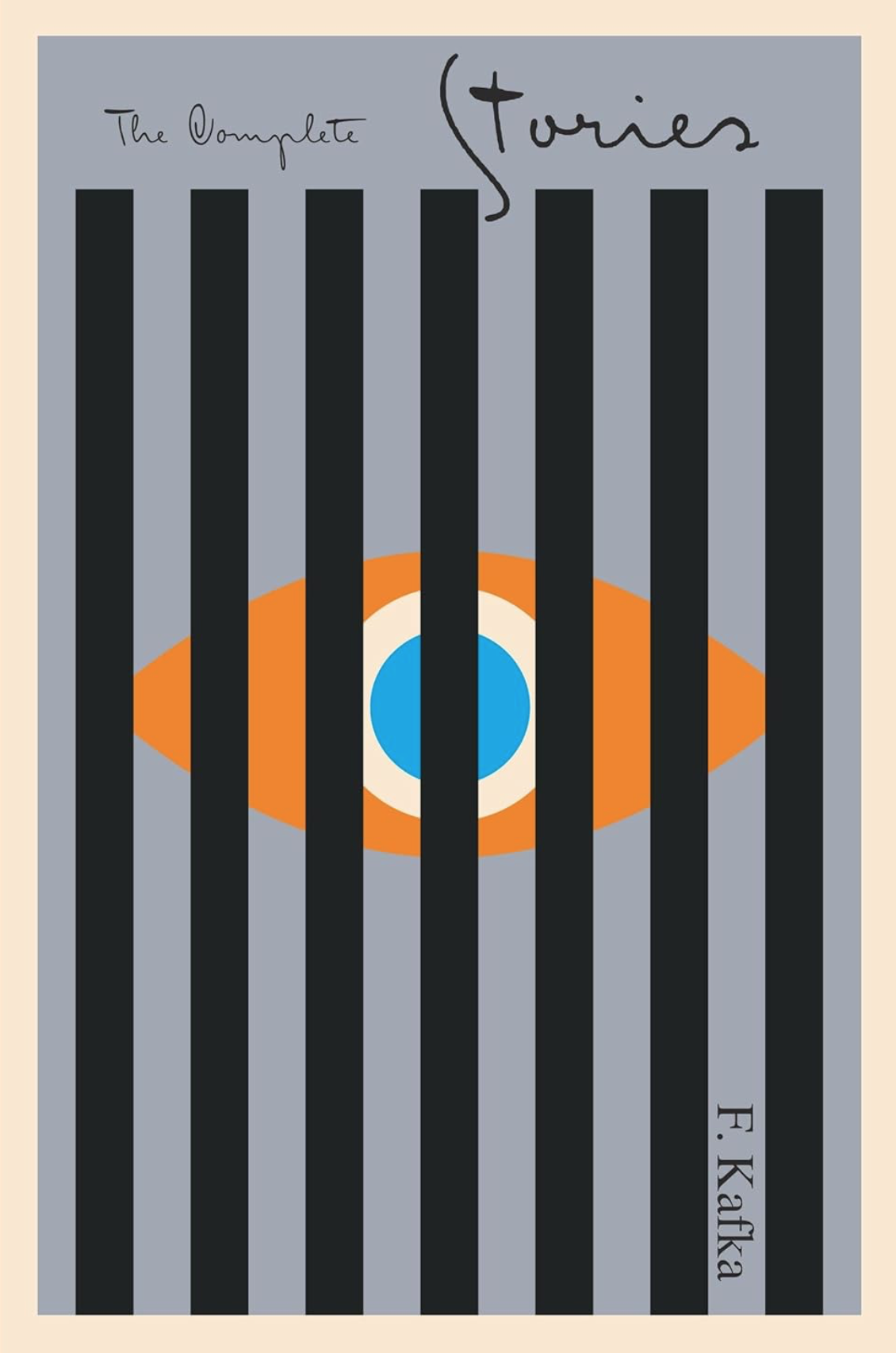
139 A Hunger Artist by Franz Kafka
In 1922, the miserable genius Franz Kafka wrote a short story, Ein Hungerkünstler (A Hunger Artist), about another miserable genius: a man whose “art” is to live in a cage and display his fasting ability to crowds that don't always appreciate what he is trying to do. Inspired by actual historical figures, though suffused with nostalgia and Kafka’s penetrating insight, the story asks us to reconsider our conceptions of art and spectacle, life and death, hunger and humanity. Host Jacke Wilson is j...
138
April 9, 2018
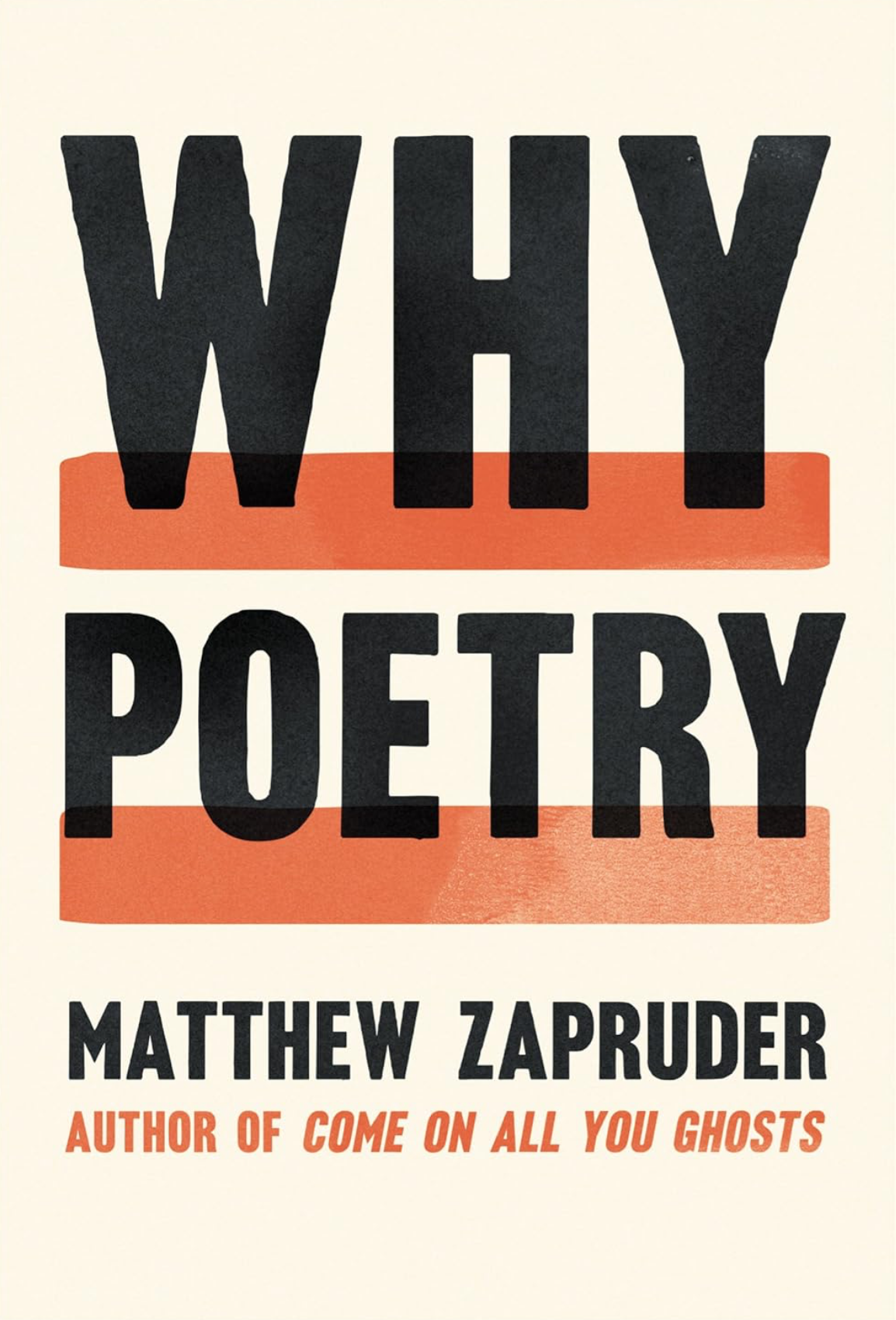
138 Why Poetry (with Matthew Zapruder)
In his new book Why Poetry, the poet Matthew Zapruder has issued "an impassioned call for a return to reading poetry and an incisive argument for its accessibility to all readers." The poet Robert Hass says, "Zapruder on poetry is pure pleasure. His prose is so direct that you have the impression, sentence by sentence, that you are being told simple things about a simple subject and by the end of each essay you come to understand that you've been on a very rich, very subtle tour of what's aesthe...
137
April 1, 2018
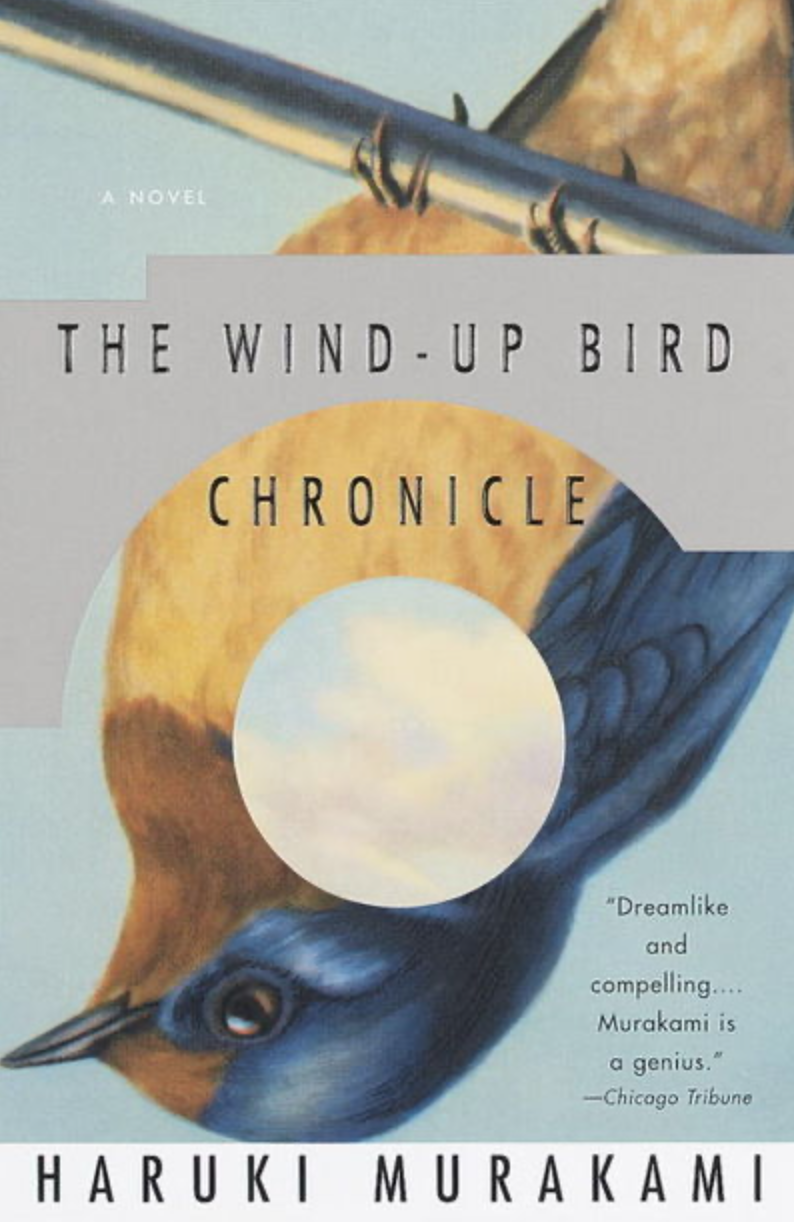
137 Haruki Murakami
Haruki Murakami (b. 1949) is one of the rare writers who combines literary admiration with widespread appeal. Host Jacke Wilson is joined by lifelong Murakami fan Mike Palindrome to discuss what makes his novels so compelling, so mysterious, and so popular. Works discussed include The Wind-Up Bird Chronicle, Norwegian Wood, Kafka on the Shore, and many others. Special Bonus Quiz: Can you tell the difference between famous quotes by Murakami and YA novelist John Green? Help support the show at...
136
March 23, 2018
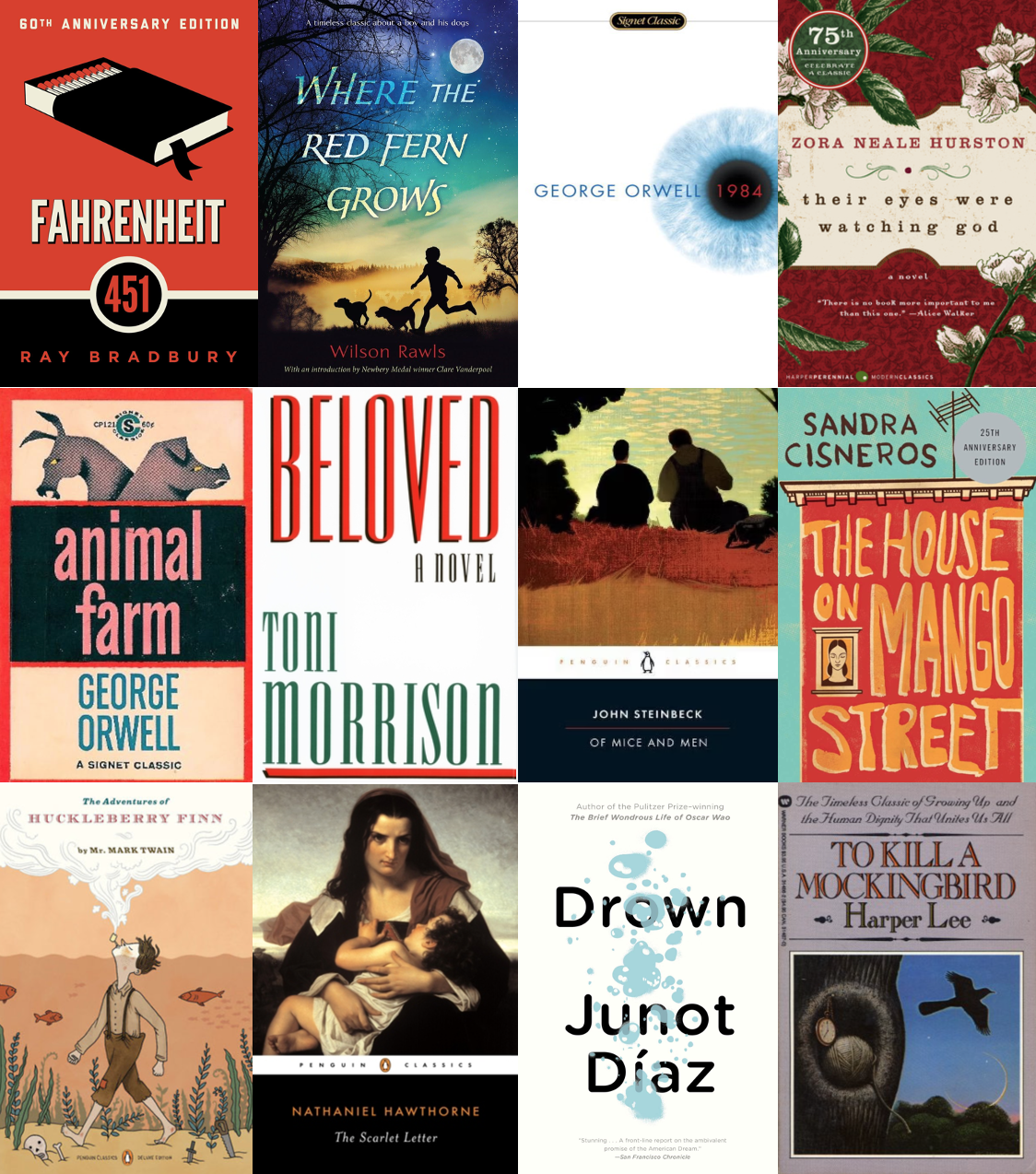
136 The Kids Are Alright (Aren't They?) - Making the Case for Literature
Why does literature matter? Why read at all? Jacke Wilson takes questions from high school students and attempts to make the case for literature. Works and authors discussed include Beloved, The Great Gatsby, Shakespeare, The Catcher in the Rye, To Kill a Mockingbird, Animal Farm, The Scarlet Letter, Of Mice and Men, The Odyssey, The Inferno, The House on Mango Street, Fahrenheit 451, 1984, Their Eyes Were Watching God, Where the Red Fern Grows, Pride and Prejudice, Drown, Maya Angelou, The A...
135
March 16, 2018
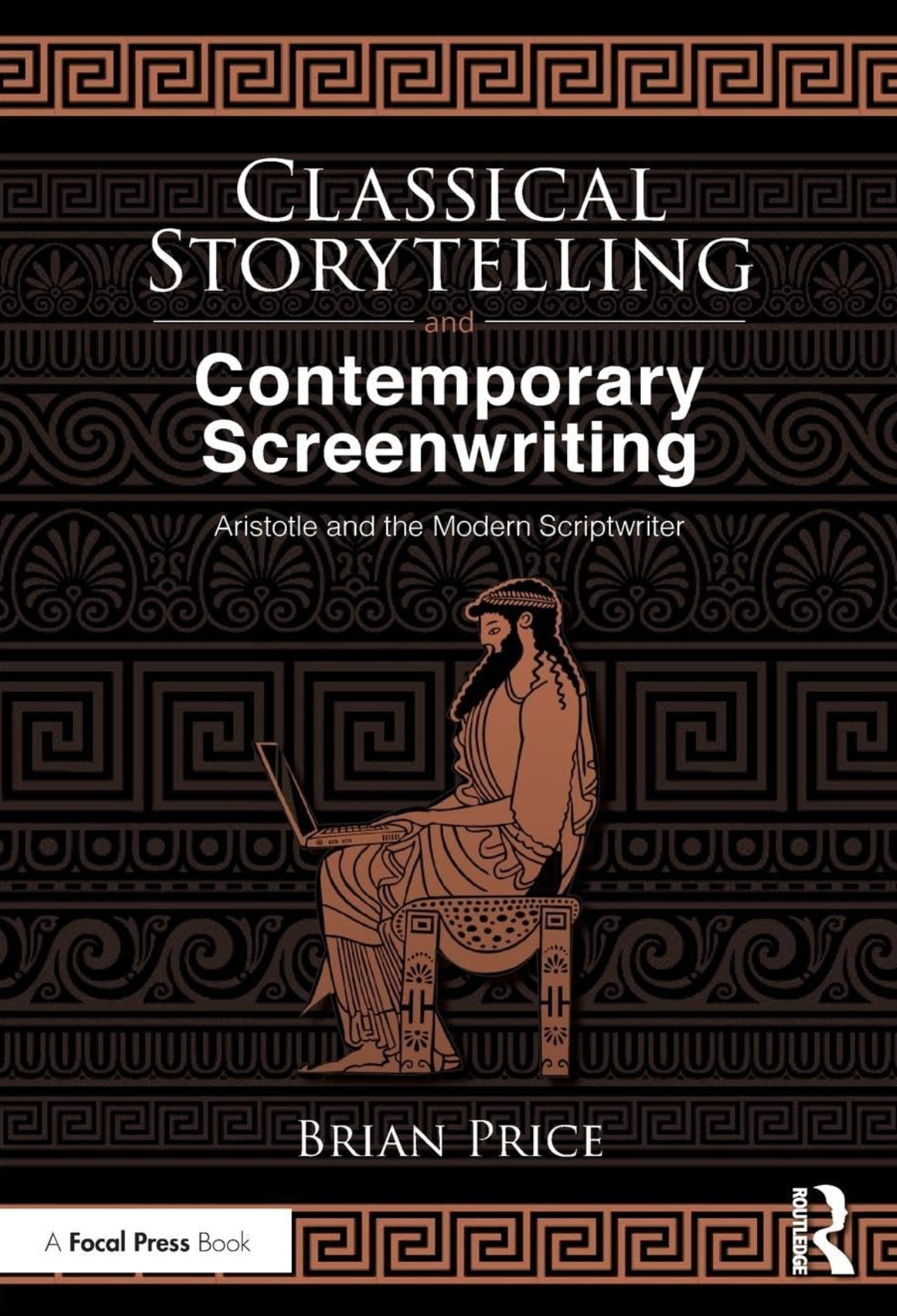
135 Aristotle Goes to the Movies (with Brian Price)
How a 2,500-year-old treatise on Greek tragedy can unlock the secrets of storytelling.
134
March 10, 2018
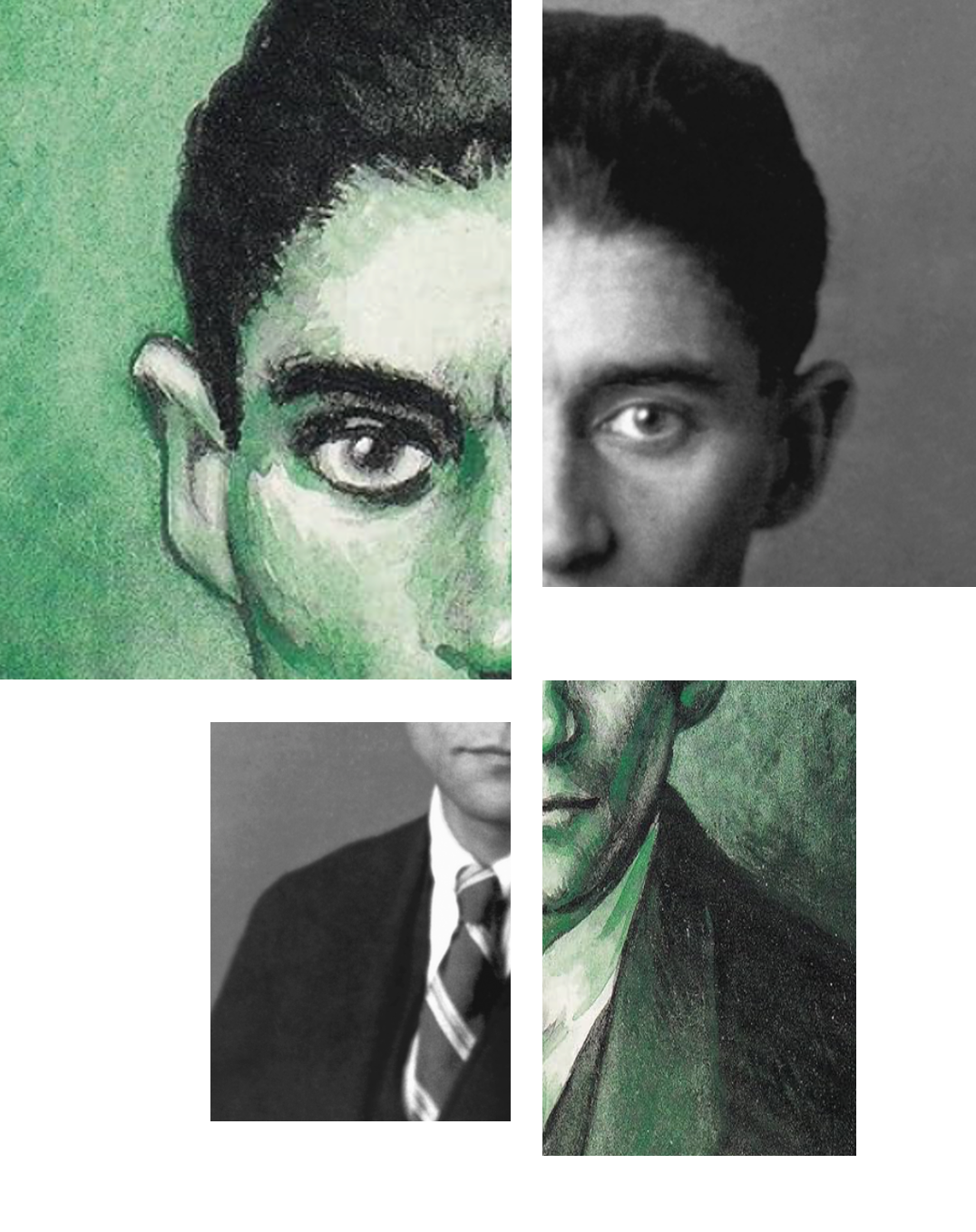
134 The Greatest Night of Franz Kafka's Life
We use the term Kafkaesque to describe bureaucracies and other social institutions with nightmarishly complex, illogical, or bizarre qualities - and in most biographies of Franz Kafka (1883-1924) we find that his life often mirrored the strangeness in his fiction. In this episode, host Jacke Wilson examines the origins of Kafka’s particular sensibility, suggests how those characteristics played out in Kafka’s life and art, and finally uncovers what may have been the greatest night of Kafka’s lif...
133
March 2, 2018
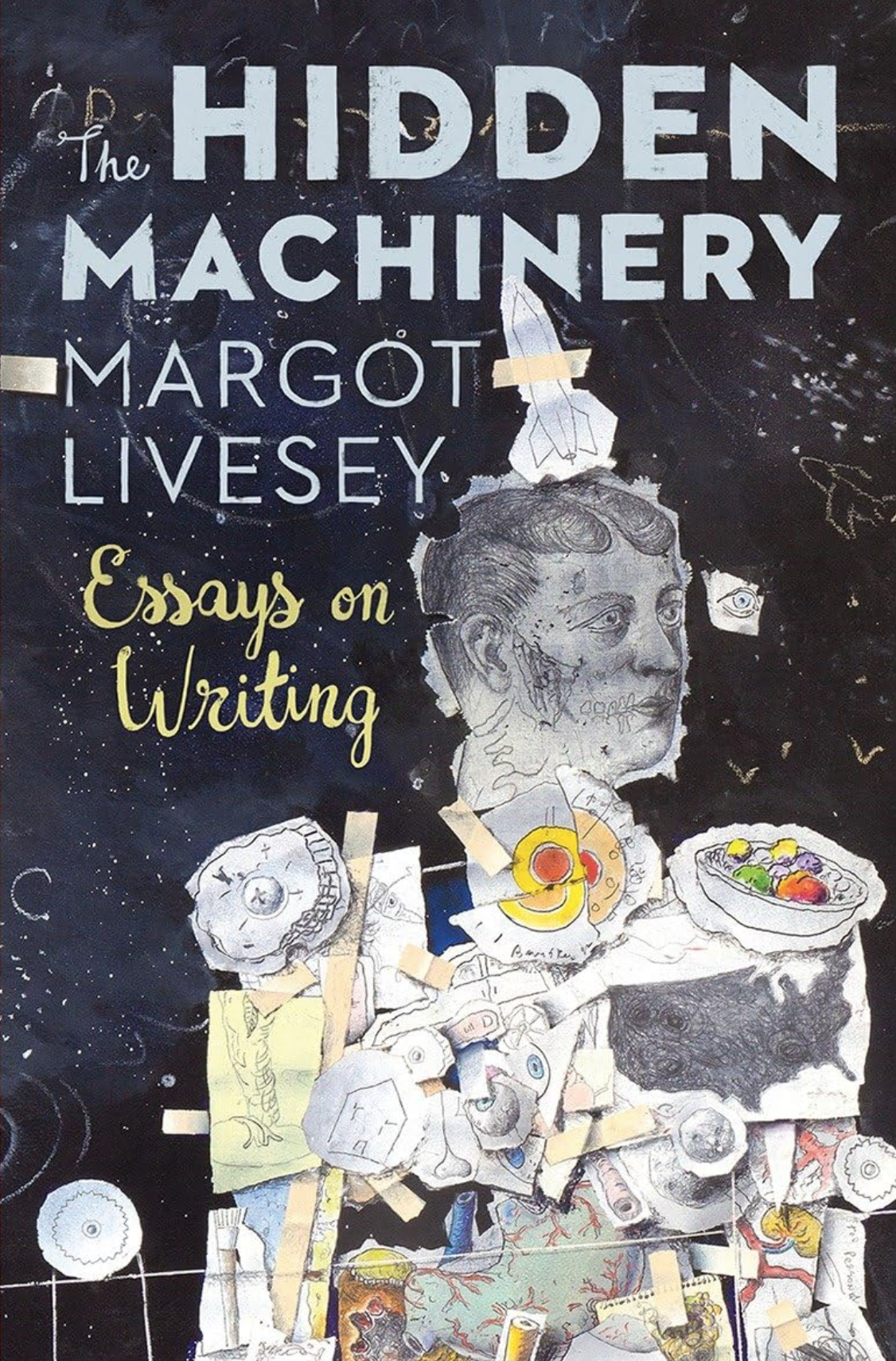
133 The Hidden Machinery - Discovering the Secrets of Fiction (with Margot Livesey)
Ever wonder how fiction works? Or what great literature can teach us about writing? Novelist Margot Livesey returns to the show for a discussion of her book The Hidden Machinery: Essays on Writing. Help support the show at patreon.com/literature or historyofliterature.com/shop. Learn more about the show at historyofliterature.com or facebook.com/historyofliterature. Contact the host at jackewilsonauthor@gmail.com or @WriterJacke. *** This show is a part of the Podglomerate network, a co...